Its traditional streets, preserved since old times, are perfect for strolling, enjoying local food, and browsing for souvenirs. The Sumida River Tokyo Skytree
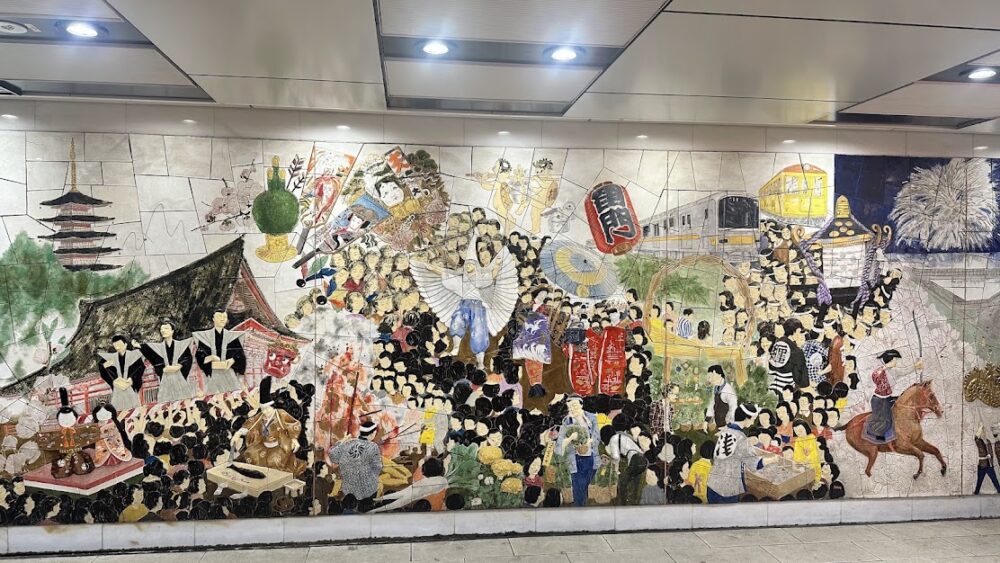
The murals near the Ginza Line and Asakusa Line ticket gates depict various seasonal events held in Asakusa. Asakusa Culture Tourist Information Center
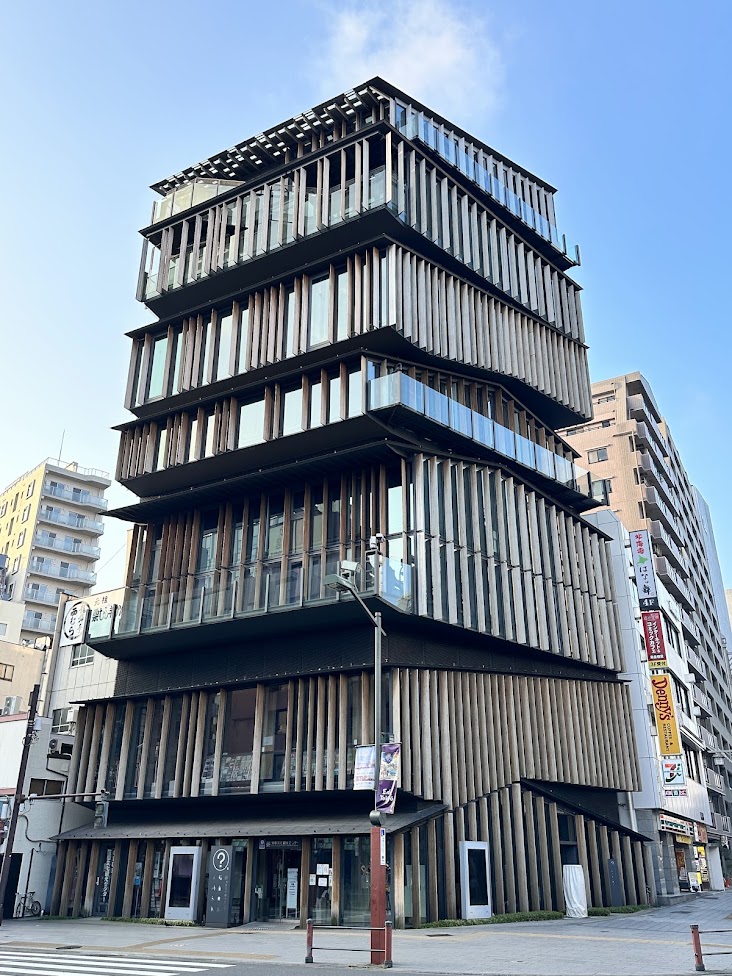
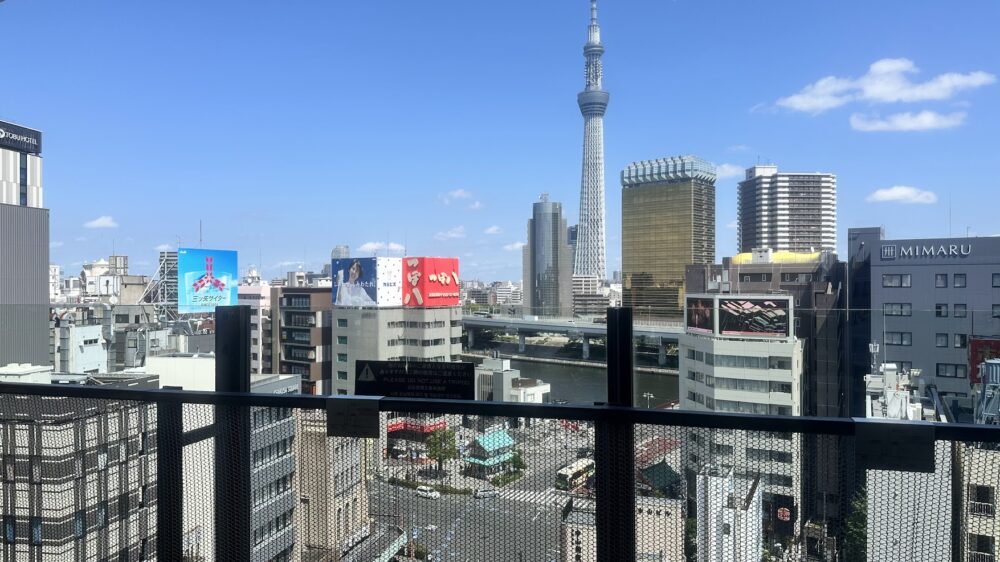
Your Asakusa sightseeing should start here: the Asakusa Culture Tourist Information Center, a free observation deck Sensō-ji Tokyo Skytree
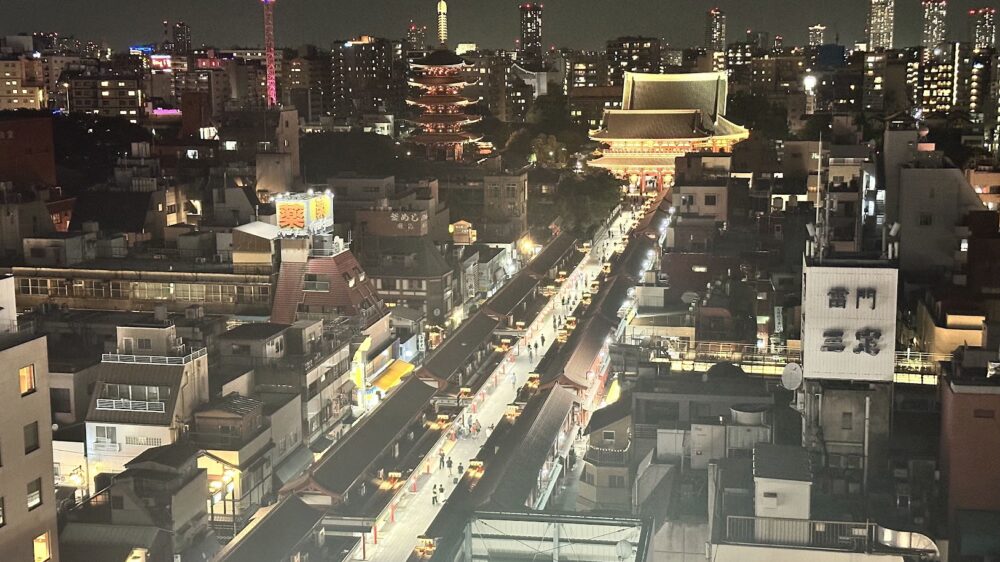
Since it’s open until 10 PM, you can also enjoy the magical nighttime views of the illuminated temple and Skytree.
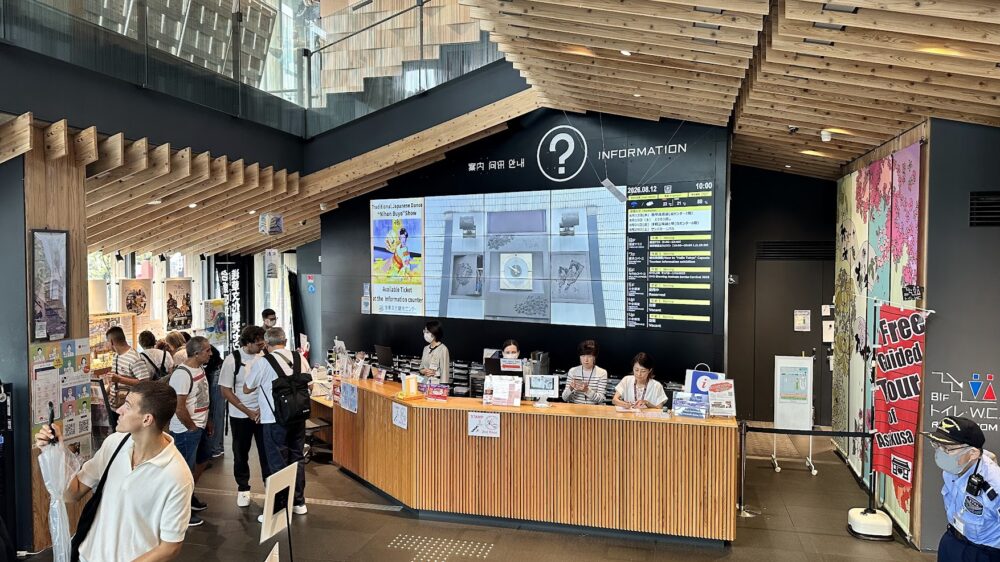
With a reservation, you can receive free tourist guidance in four languages
On the first floor, you’ll find general information, a currency exchange counter, and a souvenir shop. From the 8th-floor observation deck, you can enjoy panoramic views of Asakusa and Tokyo Skytree. Sensō-ji Asakusa Culture Tourist Information Center
Name Asakusa Culture Tourist Information Center Address 2-18 Taito-ku, Tokyo Open Hours 9:00 AM – 8:00 PM For more details, please check the official website.
Sensō‑ji — More Than Just Kaminarimon and Nakamise! A Symbol of Asakusa Filled with Must‑See Highlights Sensō‑ji was founded in 628 Asuka period .
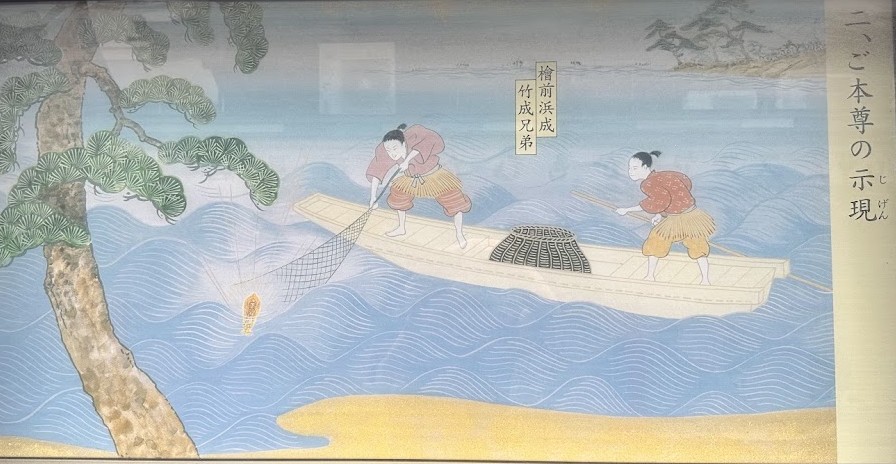
According to legend, two fisherman brothers Kannon Bodhisattva an act believed to mark the beginning of Sensō‑ji.
If you’d like to learn more about this founding legend and the temple’s later development on the left side just before Hōzōmon
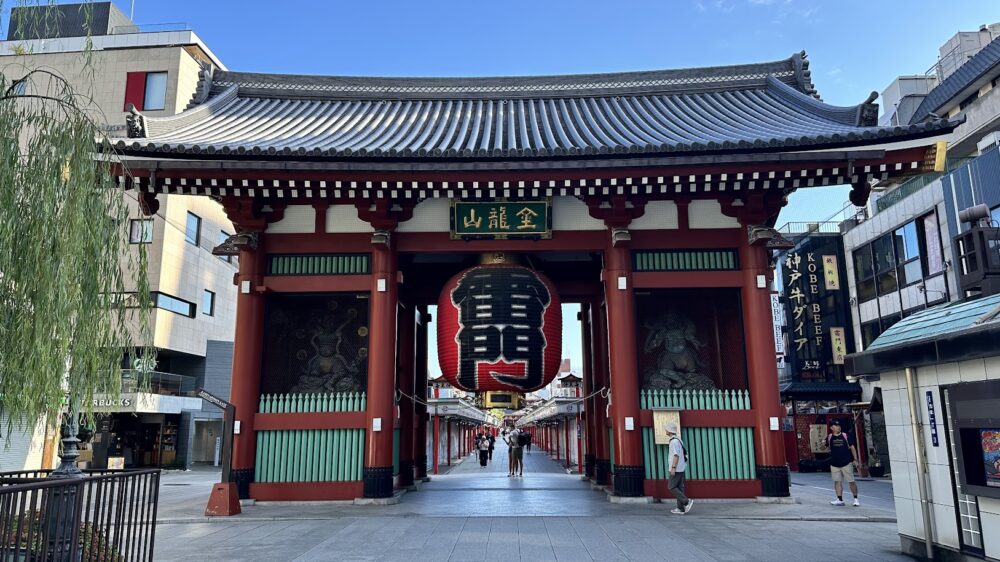
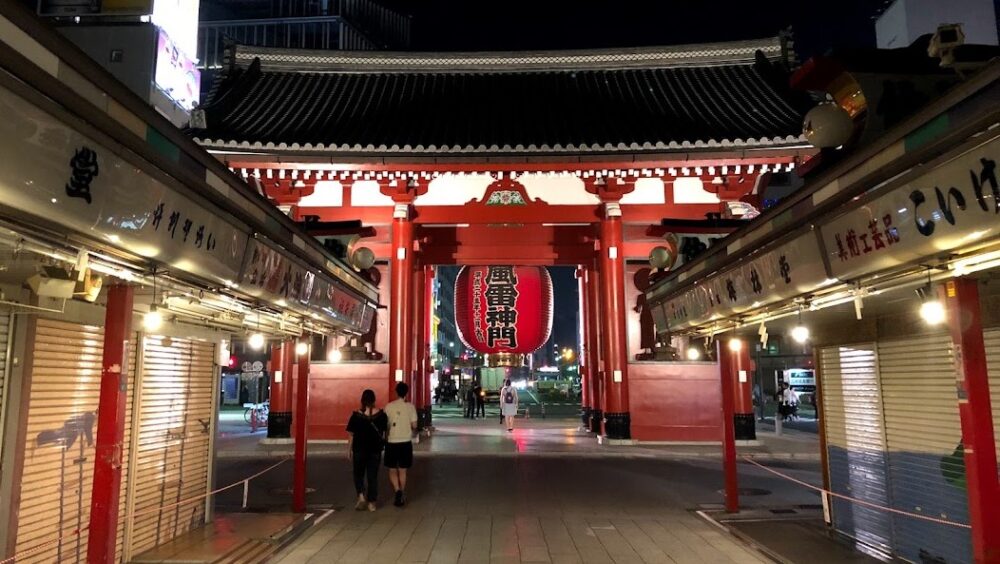
Kaminarimon(Fūraijin‑mon ) — The Icon of Asakusa
Kaminarimon The massive red lantern makes Kaminarimon one of the must‑see photo spots in Asakusa. On each side of the gate, statues of Fūjin (the god of wind) Raijin (the god of thunder)
The bold characters “Kaminarimon” “Kaminarimon” is only a nickname official name is “Fūraijin‑mon,”
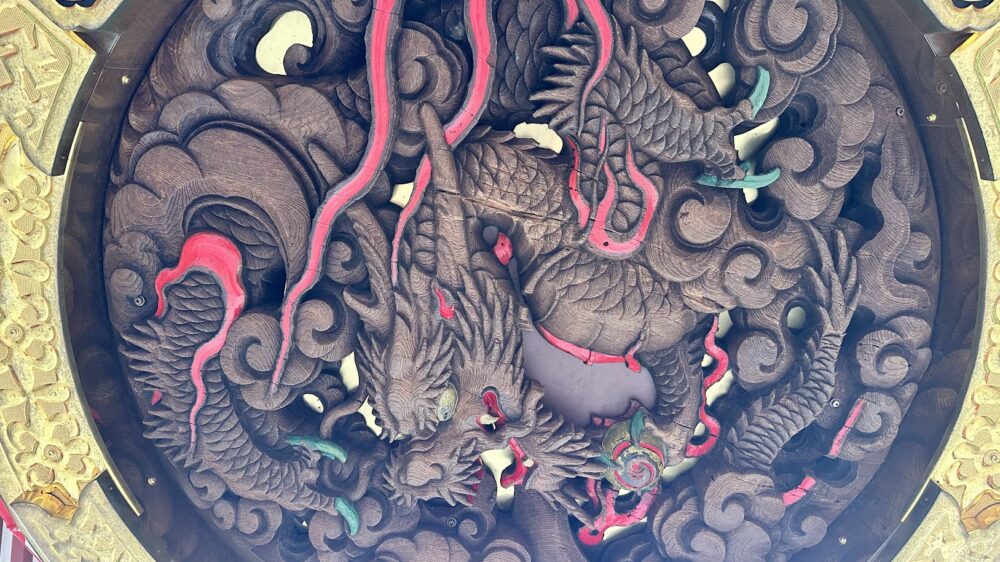
Kaminarimon (Back View): The characters “Fūraijin‑mon” can be seen. A dragon carving decorates the underside of the lantern.
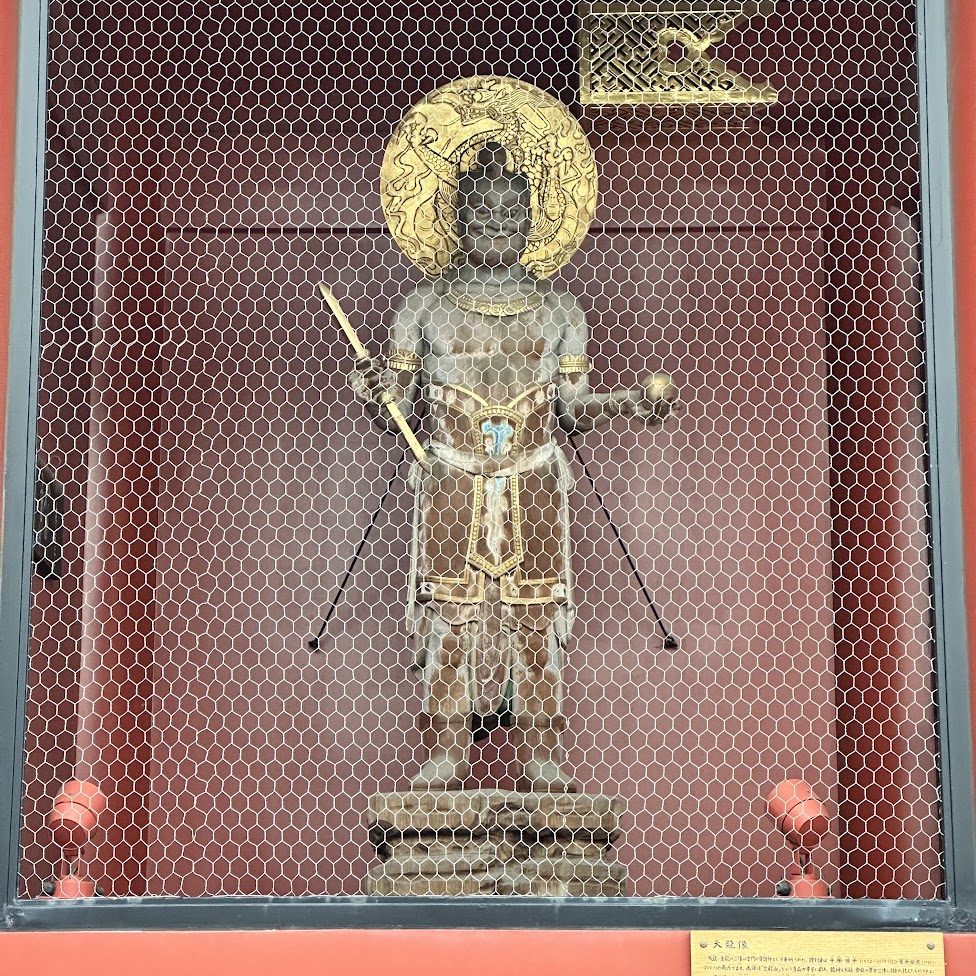
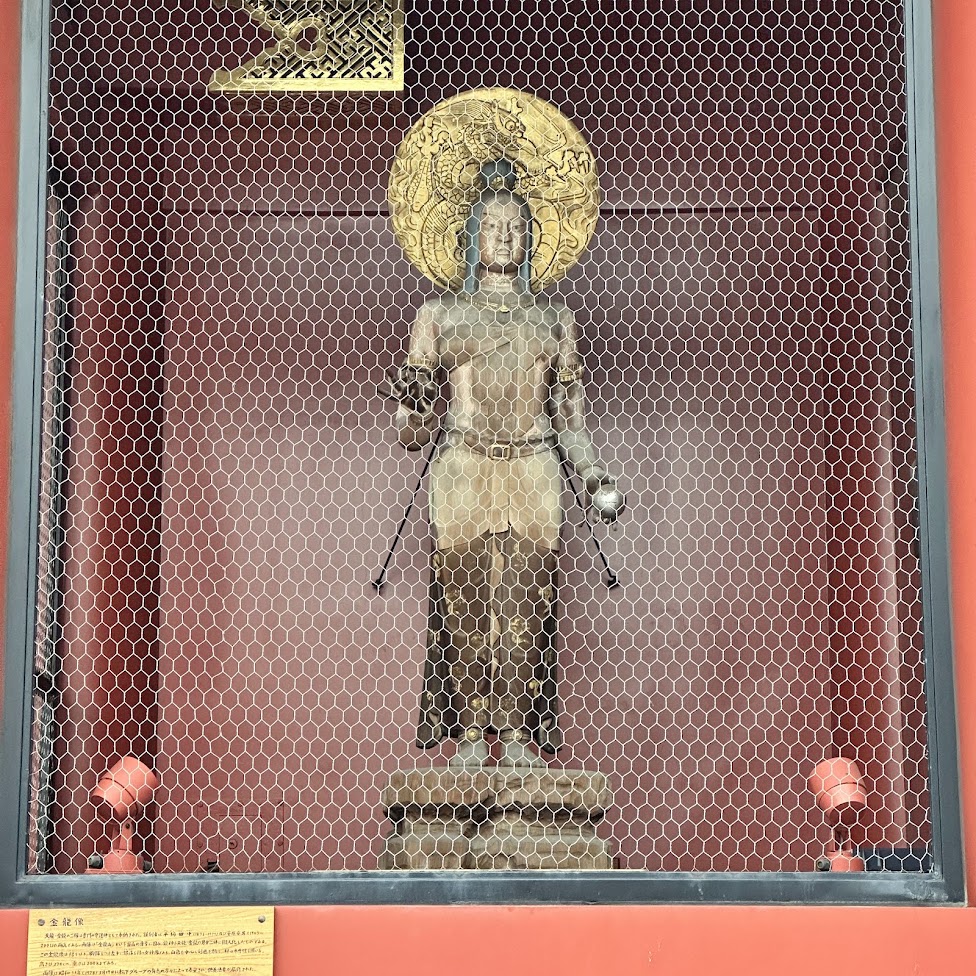
At the back of Kaminarimon, statues of Tenryū Kinryū Kinryūzan.
Passing through the gate and continuing forward leads you into Nakamise Street ,
Nakamise — Japan’s Oldest Shopping Street
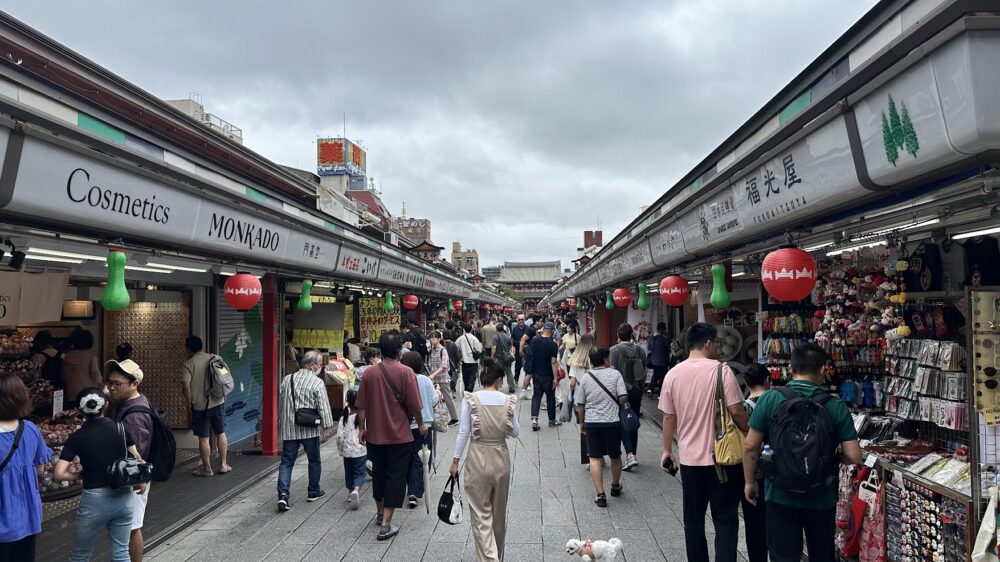
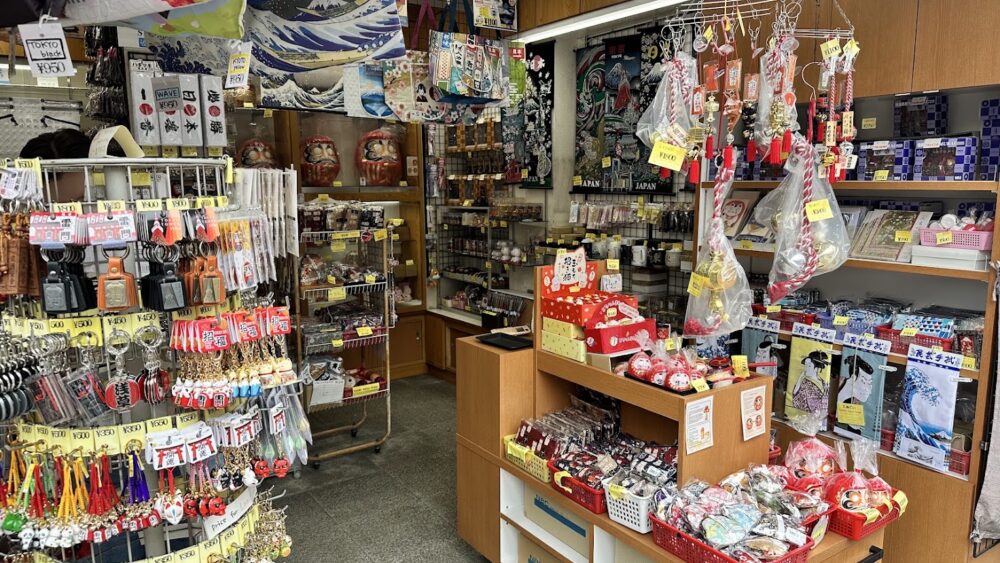
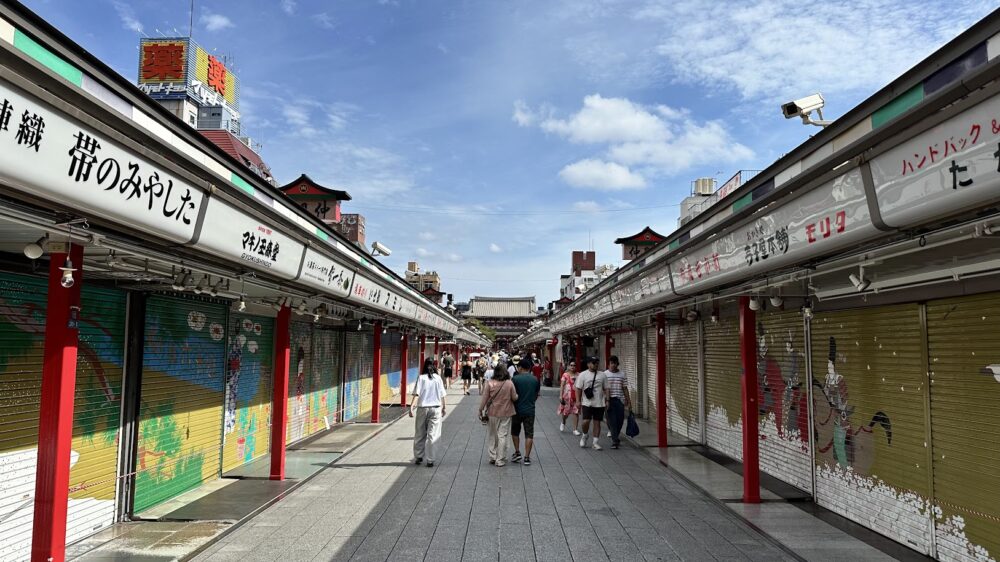
Nakamise Street — Bustling with Visitors Nakamise Street 90 shops line the street, offering take‑away snacks you can enjoy on the spot, as well as traditional sweets and souvenirs like Japanese confectionery and handicrafts.
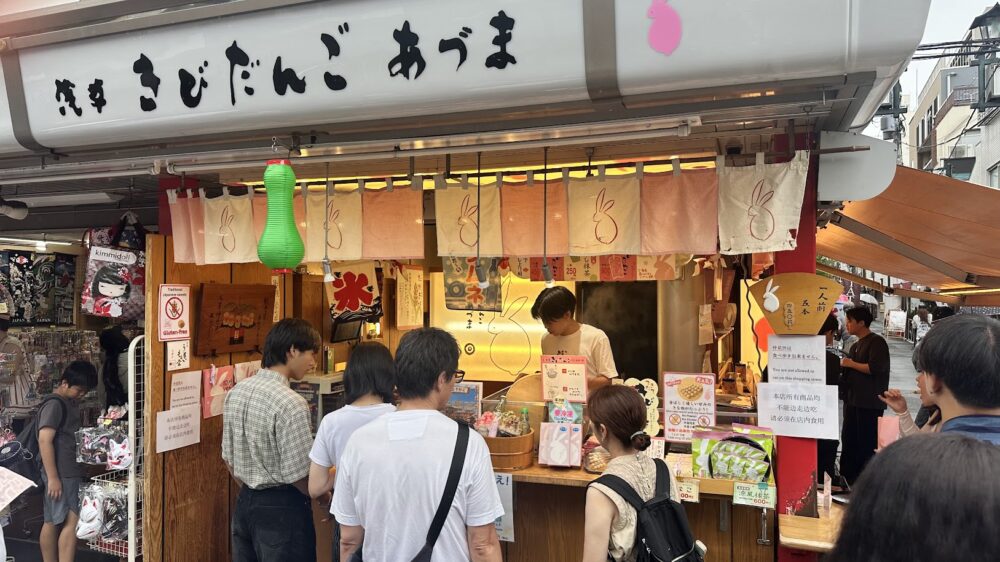
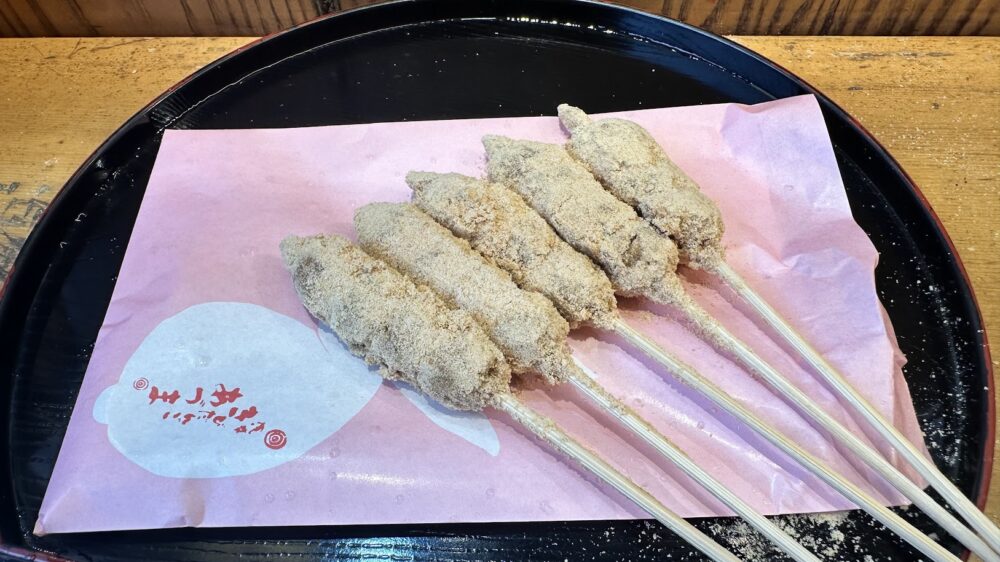
With so many appealing shops, you might find yourself short on time—but one treat you shouldn’t miss is Kibidango Azuma’s kibidango soft texture and a gentle sweetness
Be sure to give them a try!
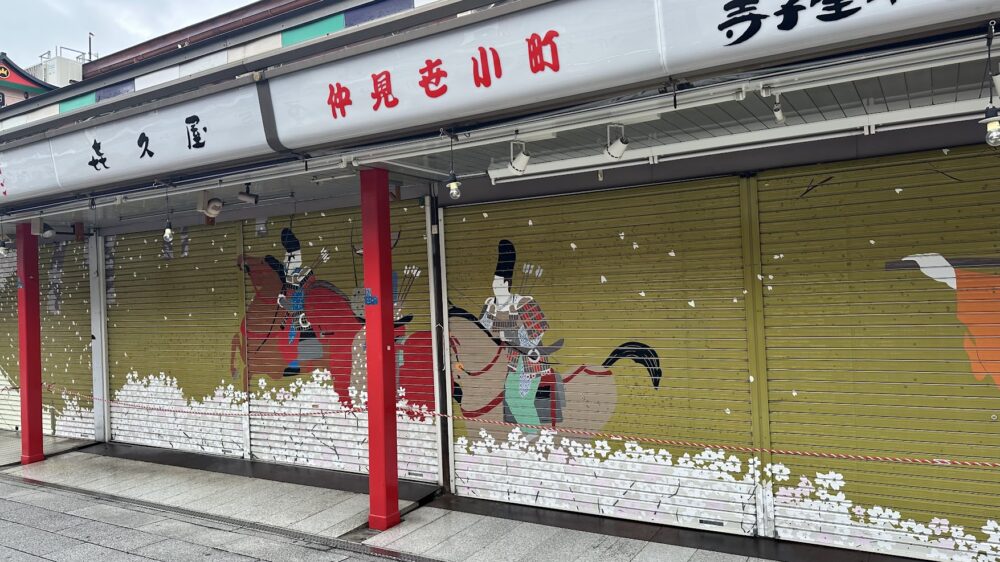
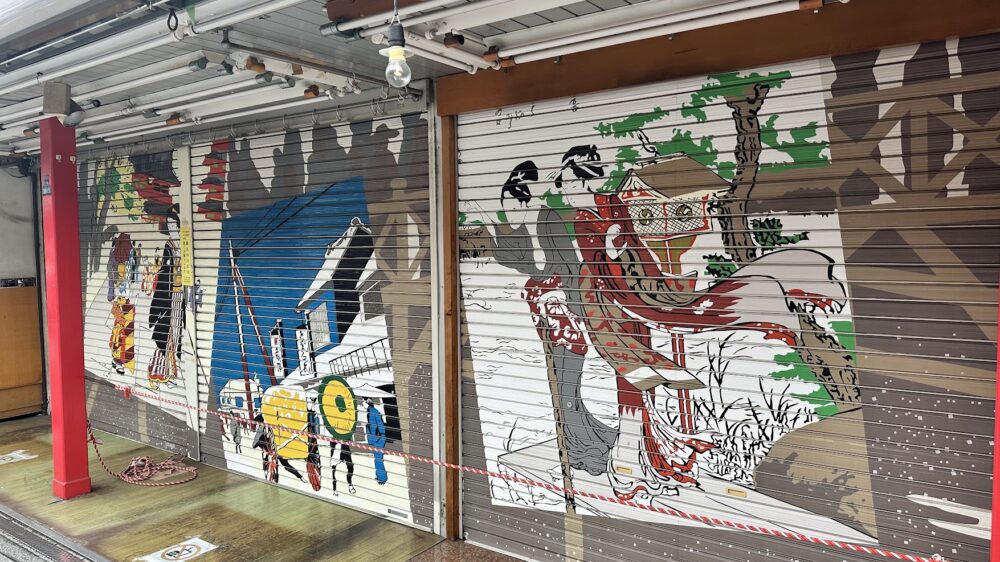
Kibidango Azuma: Immediately on the right after entering Nakamise Street. Kibidango: 5 pieces per serving — 450 yen, generously coated with sweet kinako (roasted soybean flour). Nakamise Shutter Art: The Asakusa Picture Scroll
Nakamise Street in the Early Morning Visiting Sensō‑ji in the crisp morning air or under the magical nighttime illumination is one of Asakusa’s unique charms.
And there is another special delight you can enjoy only during these quiet hours: the Asakusa Picture Scroll , a series of artworks painted on the shutters
Take your time to appreciate these beautiful works—masterpieces that can only be seen when the shutters are down.
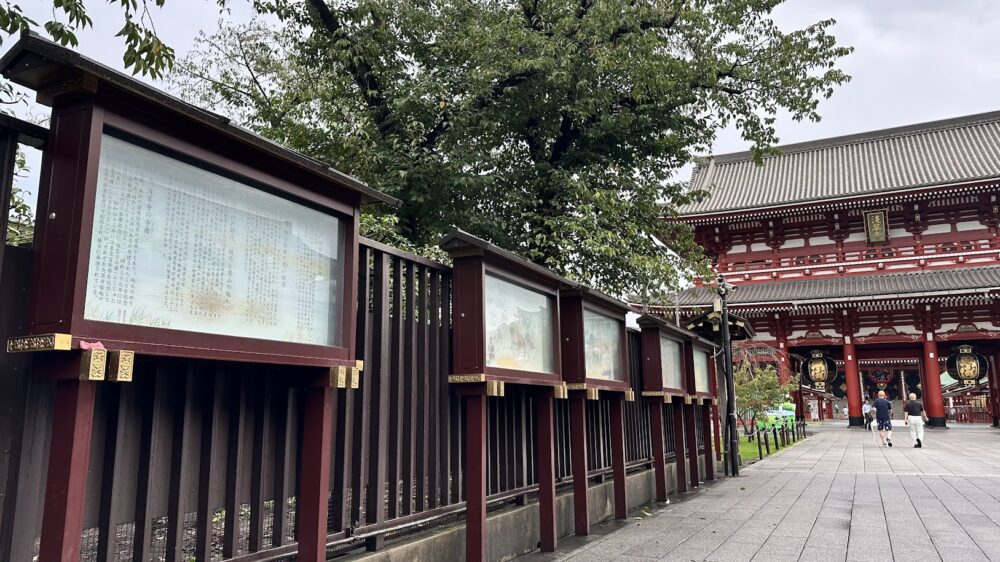
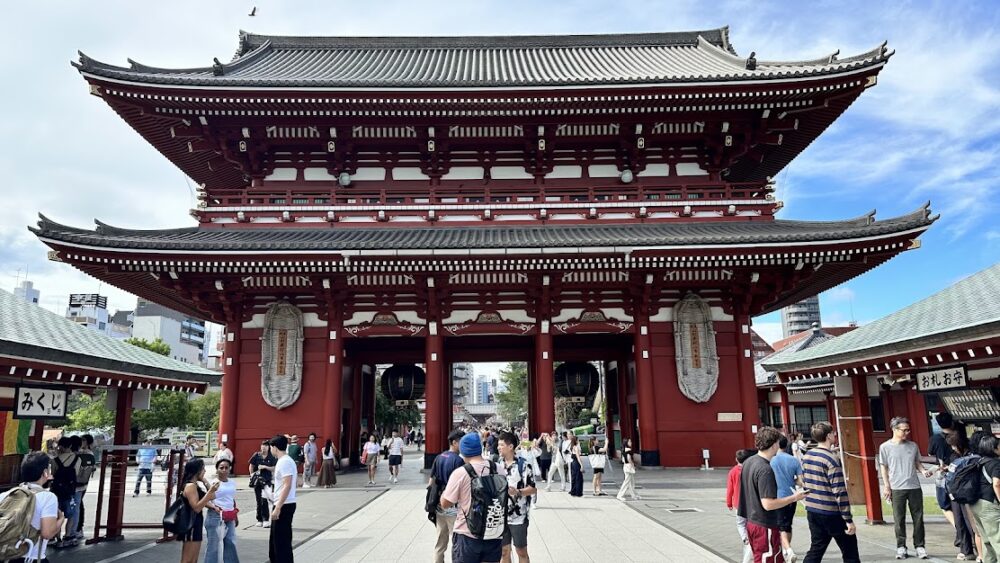
Hōzōmon
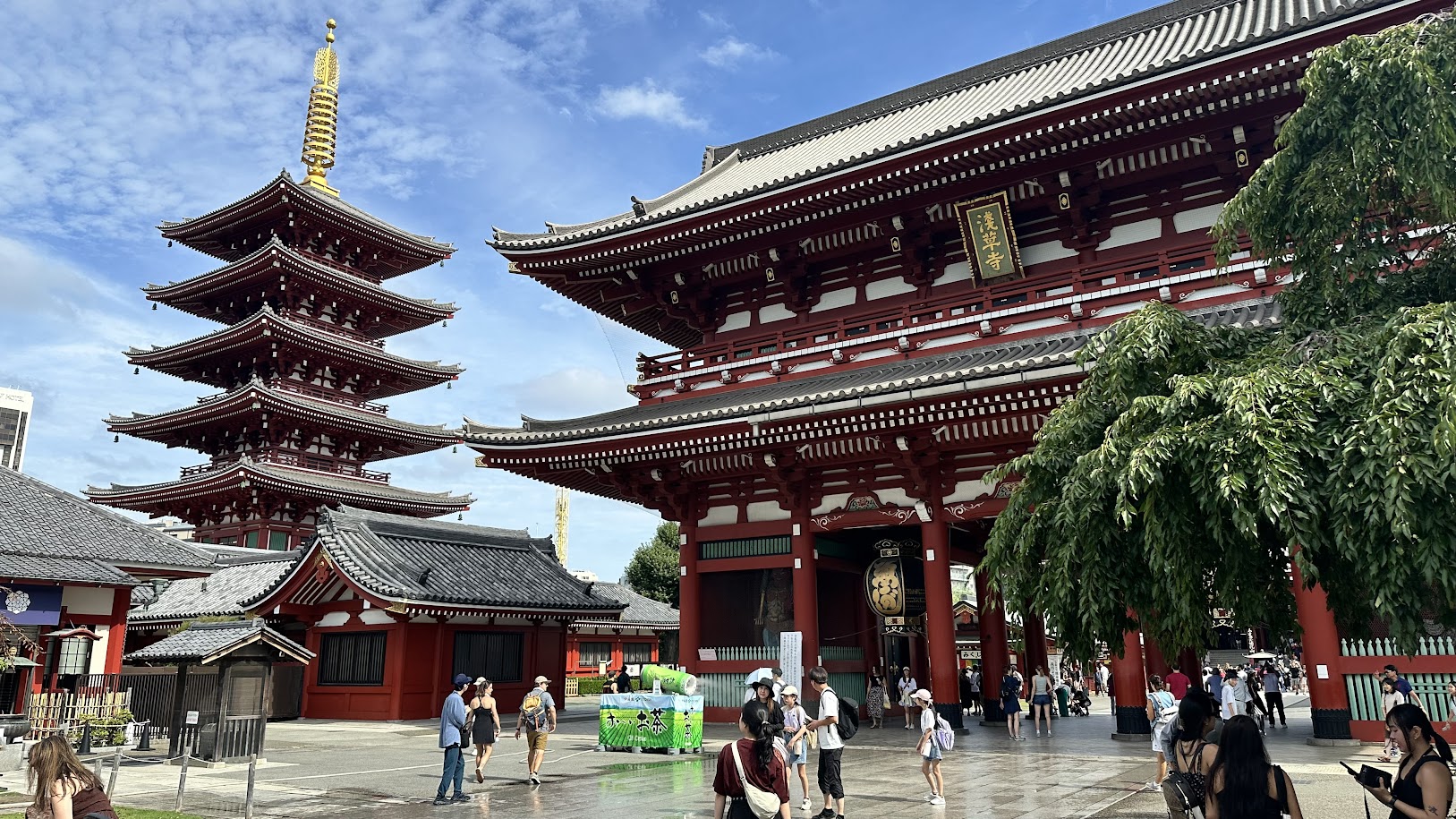
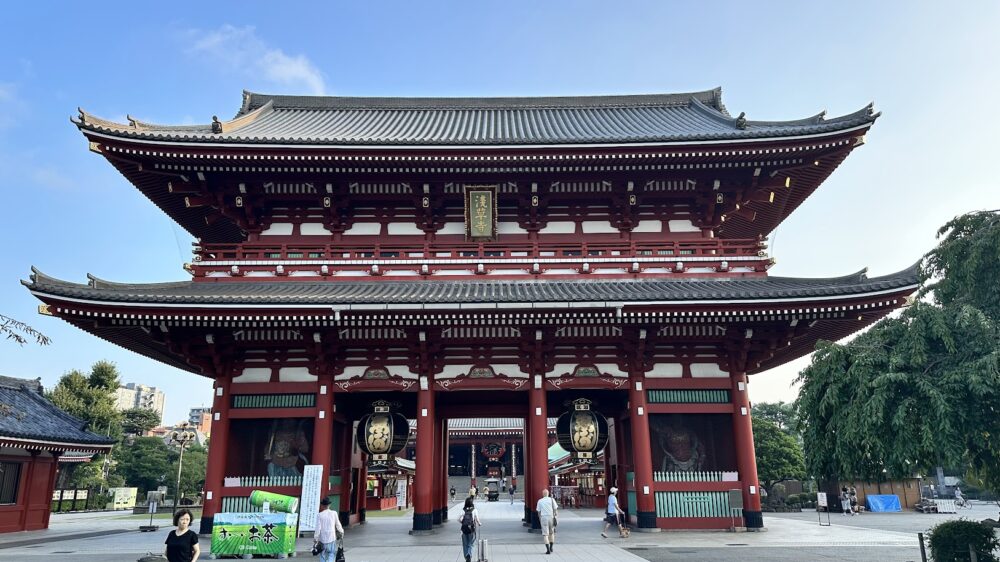
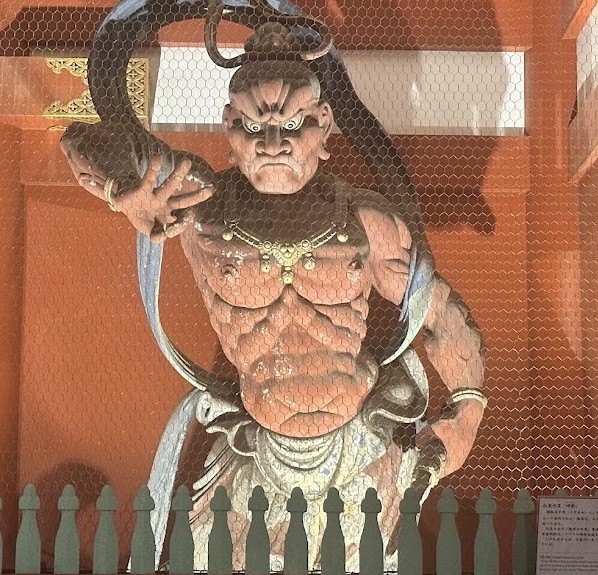
Hōzōmon — Flanked by the Guardian Nio Statues The impressive two‑story gate you see as you proceed along Nakamise Street is Hōzōmon Nio‑mon
In 1964, however, it was renamed Hōzōmon, “Original Issaikyō” (a complete collection of Buddhist scriptures designated as a National Important Cultural Property) and other historic sutras.
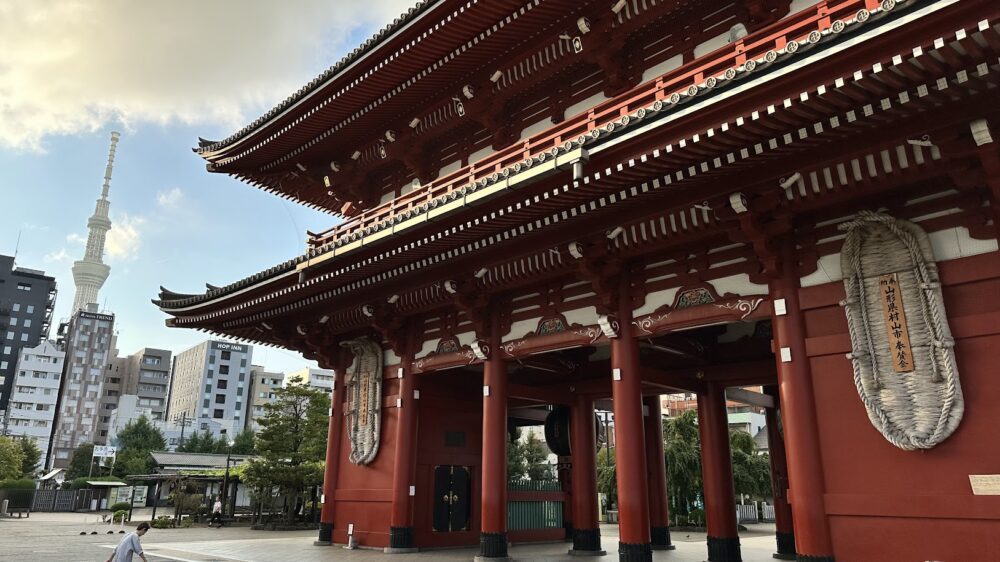
Hōzōmon from the Main Hall Side Hōzōmon from the Main Hall Side On the back side of Hōzōmon, you’ll find a pair of giant straw sandals (ōwaraji) .“A being strong enough to wear such massive sandals must be protecting this temple.”
The waraji are dedicated every ten years by Murayama City in Yamagata Prefecture ,eighth generation .
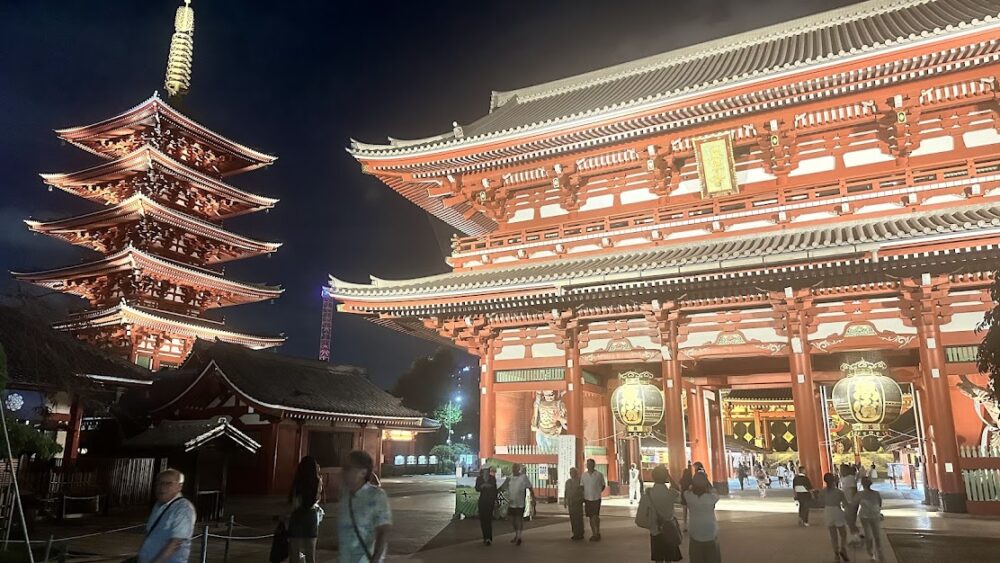
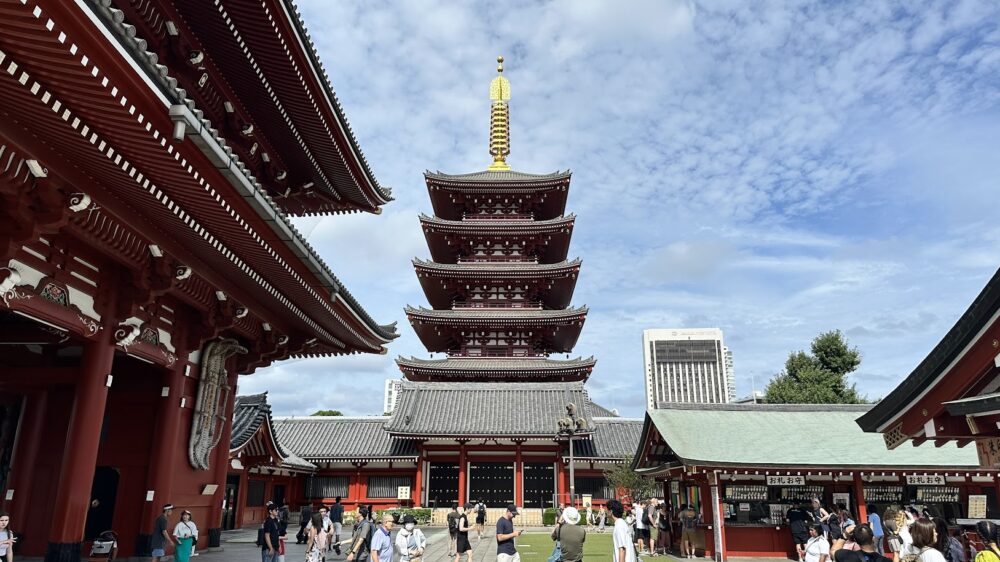
Hōzōmon and the Five‑Story Pagoda
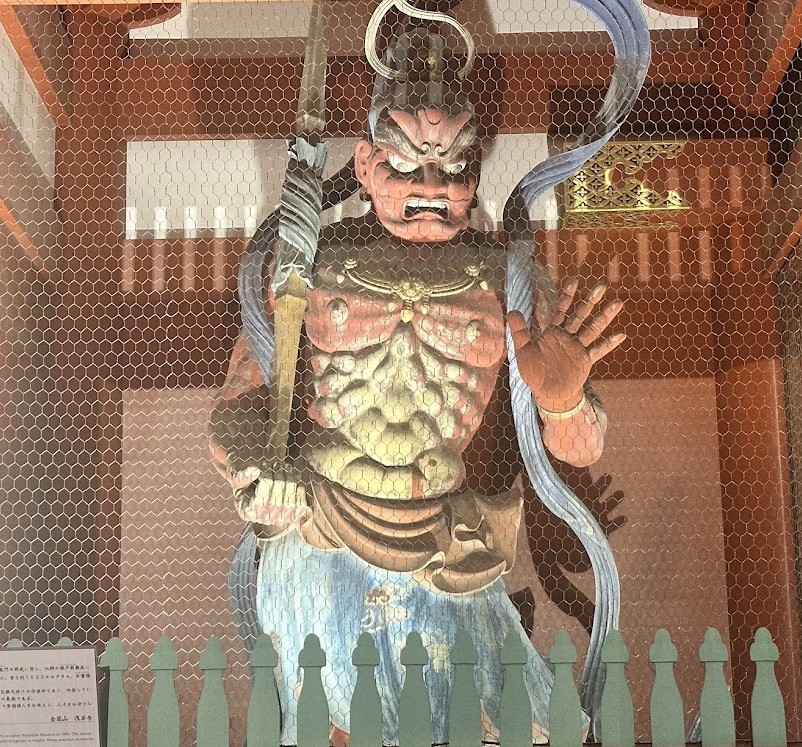
The Nio statues enshrined at Hōzōmon are a pair of guardians:
the one on the left with an open mouth is the A‑gyō statue Un‑gyō statue
Together they represent “A‑un” , the symbolic beginning and end of all things. Although they are commonly referred to as Nio statues, their formal name is Kongō Rikishi.
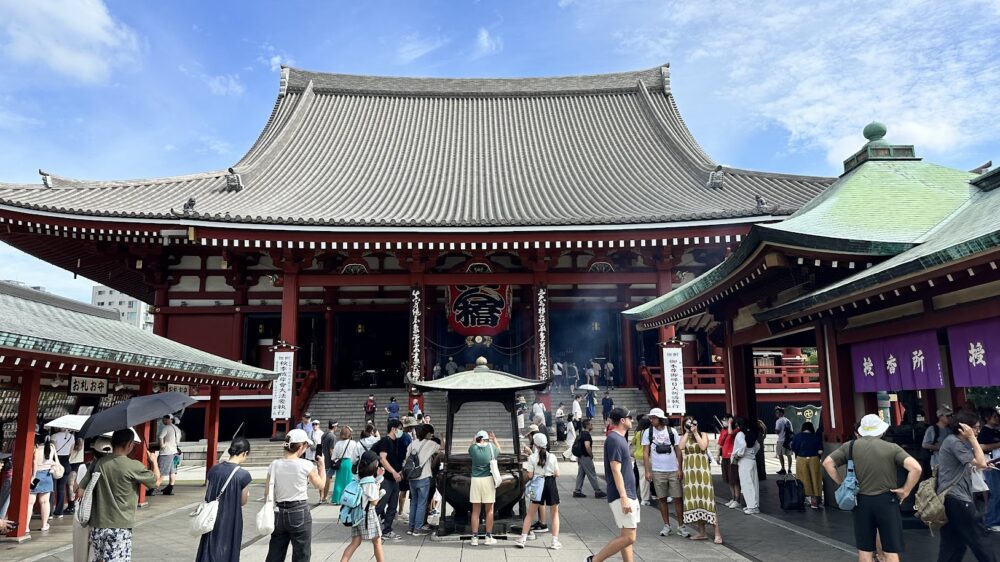
Main Hall (Hondō)
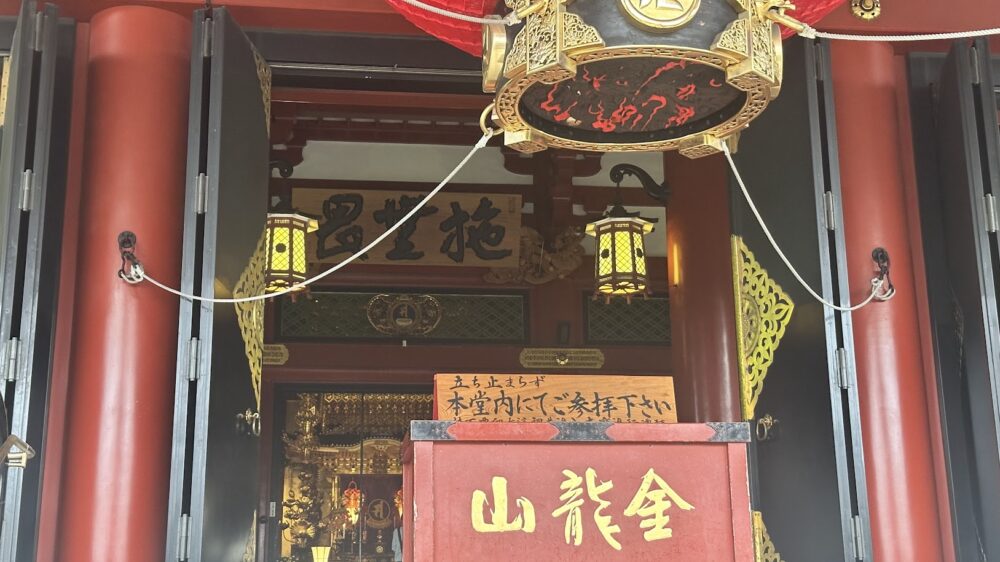
The main hall, also known as the Kannon Hall, Sacred Kannon Bodhisattva , the principal deity of Sensō‑ji. Daily services are held at 6:00 a.m. (6:30 a.m. from October to March), 10:00 a.m. , and 2:00 p.m. .
Although the current building was reconstructed after World War II, it faithfully follows traditional temple architecture and preserves the solemn atmosphere of the original structure. Even today, this hall remains the spiritual heart of Sensō‑ji, where centuries of devotion continue to shape the temple’s rituals and daily practices.
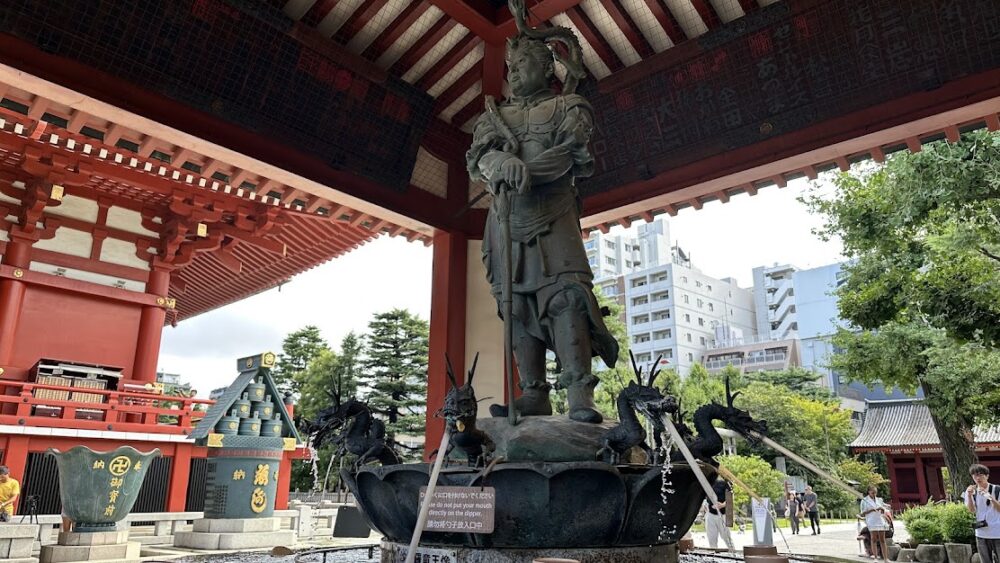
Chōzuya (Purification Pavilion) Sensō‑ji’s chōzuya dragon deity statue Kōun Takamura .
Visitors purify themselves here before praying:
1.Hold the ladle in your right hand and pour water over your left hand.(Do not touch the ladle directly to your lips.)
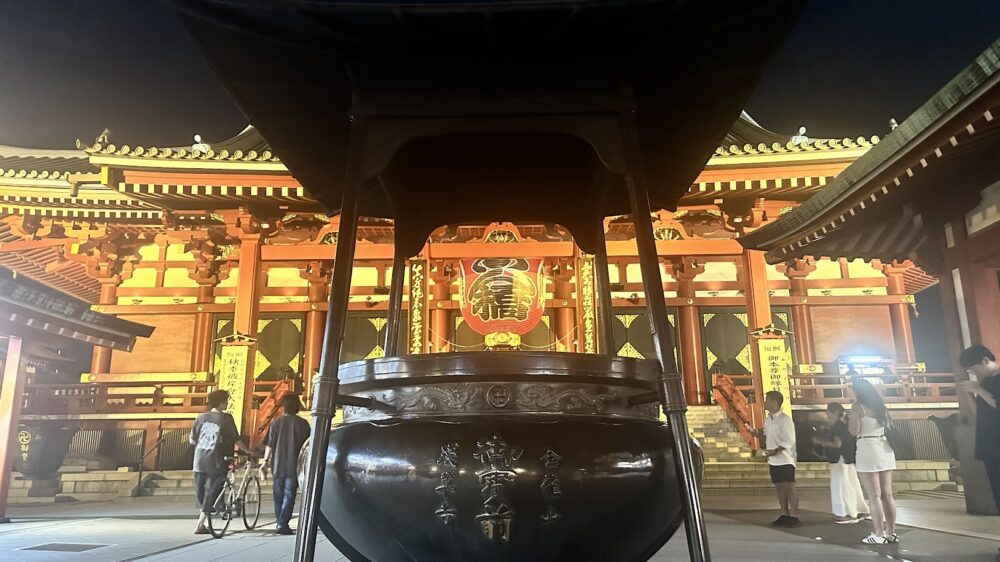
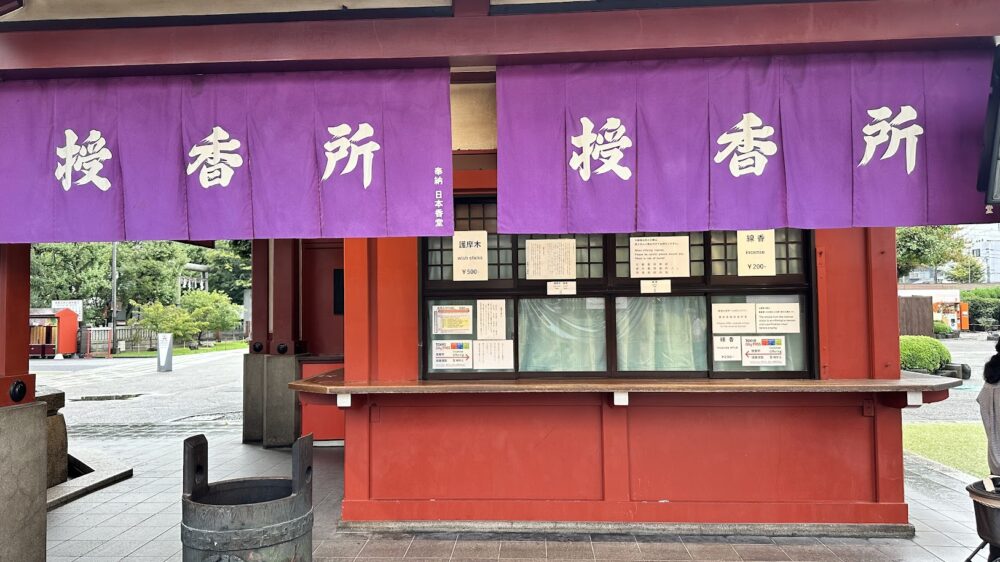
Jōkōro (Incense Burner) Jusōsho: This is where you can purchase incense sticks. In front of the main hall stands a large incense burner
Visitors often waft the smoke over parts of their body that need healing
The interior is divided into the outer sanctuary inner sanctuary .10 meters high , lined with striking vermilion pillars and filled with the scent of incense, creating a deeply sacred atmosphere.
At the front hangs a large plaque inscribed with “Shimu-i” , meaning “The Bodhisattva removes fear from all living beings and saves them.”
The three large ceiling paintings include:
“Dragon Painting” by Ryūshi Kawabata (center)“Celestial Beings” by Inshō Dōmoto (left)“Scattering Flowers” by Inshō Dōmoto (right)
In the inner sanctuary, you can see the Gokūden (the sacred palace) , where sutra chanting is performed during the scheduled services.
How to Worship
Unlike at Shinto shrines, clapping is not required . Offer your coins quietly and recite:“Namu Kanzeon Bosatsu.”
Five‑Story Pagoda
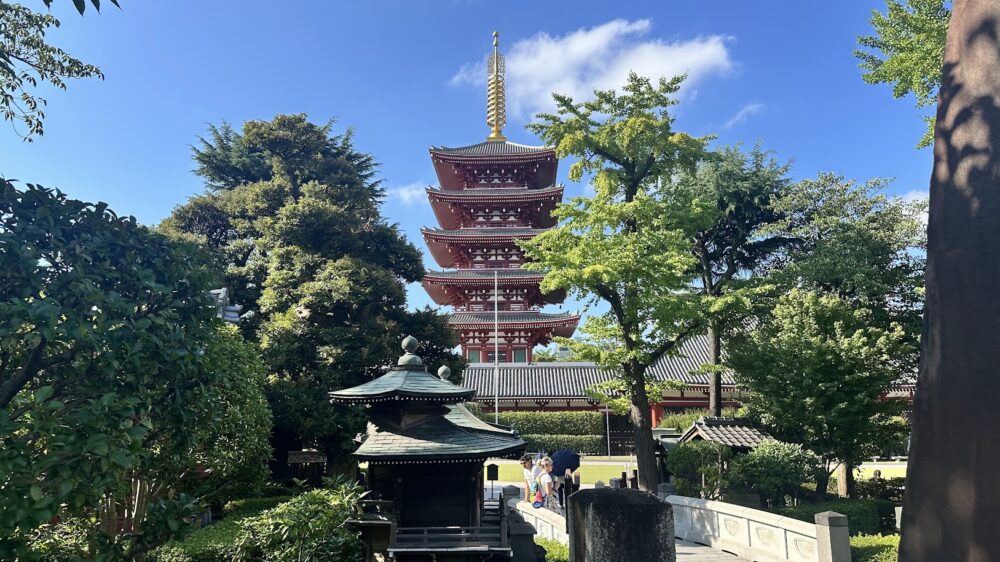
The current five‑story pagoda was rebuilt in 1973. The five‑story pagoda
Unfortunately, the interior is not open to the public, but on the top floor rests a Buddhist relic presented in 1966 by Isurumuniya Temple in Sri Lanka .
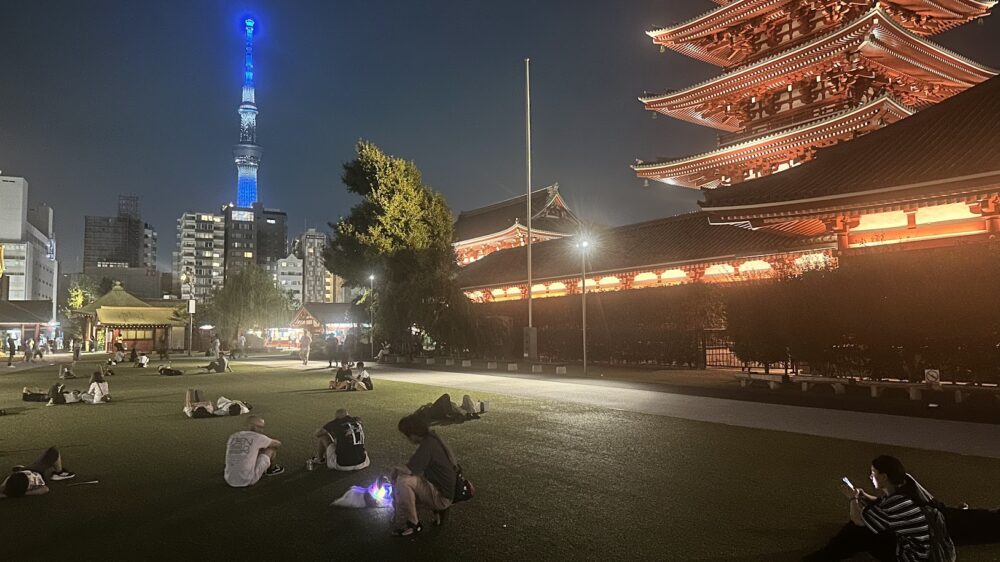
The Pagoda Seen from Yōgōdō On summer nights, you can relax on the lawn, chatting with friends while looking up at both the pagoda and the Tokyo Skytree.
Nighttime at Sensō‑ji is truly something special — highly recommended !
Yōgōdō — Sensō‑ji’s Goshuin Are Offered Here
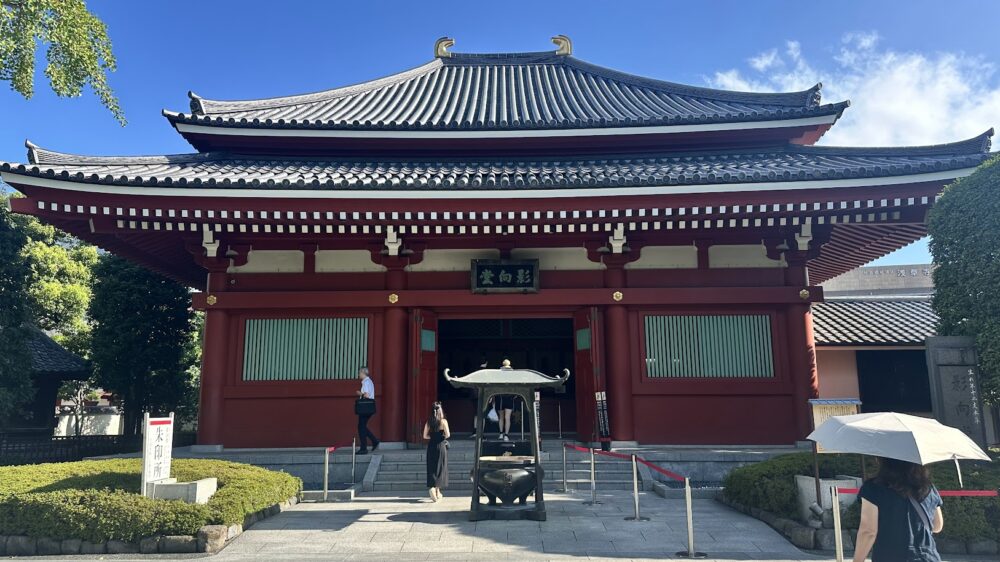
Yōgōdō As you walk west (to the left) from the main hall, you will see the vermilion pavilion known as Yōgōdō .
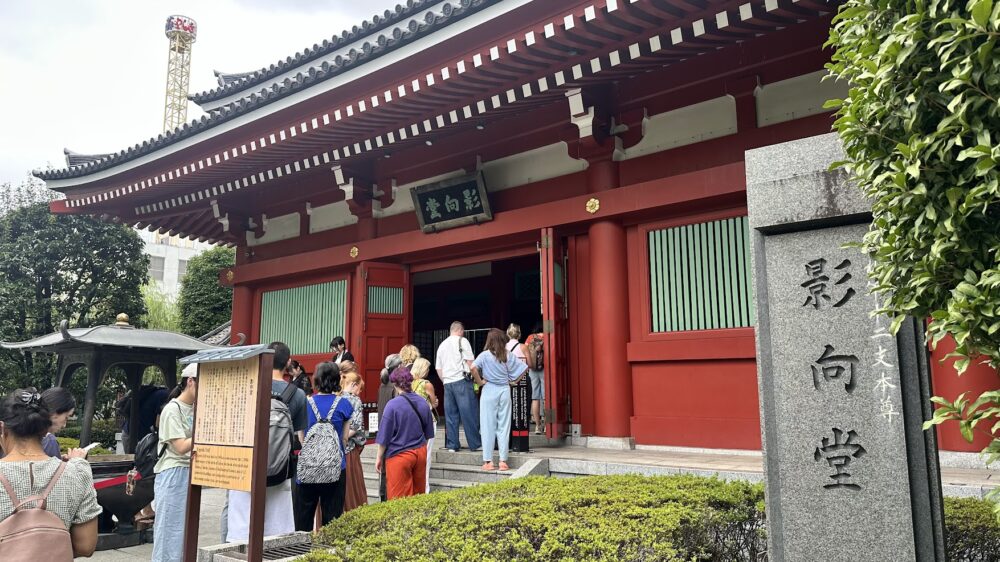
Here you can receive Sensō‑ji’s goshuin Kannon Bodhisattva Daikokuten (The offering is 500 yen .)
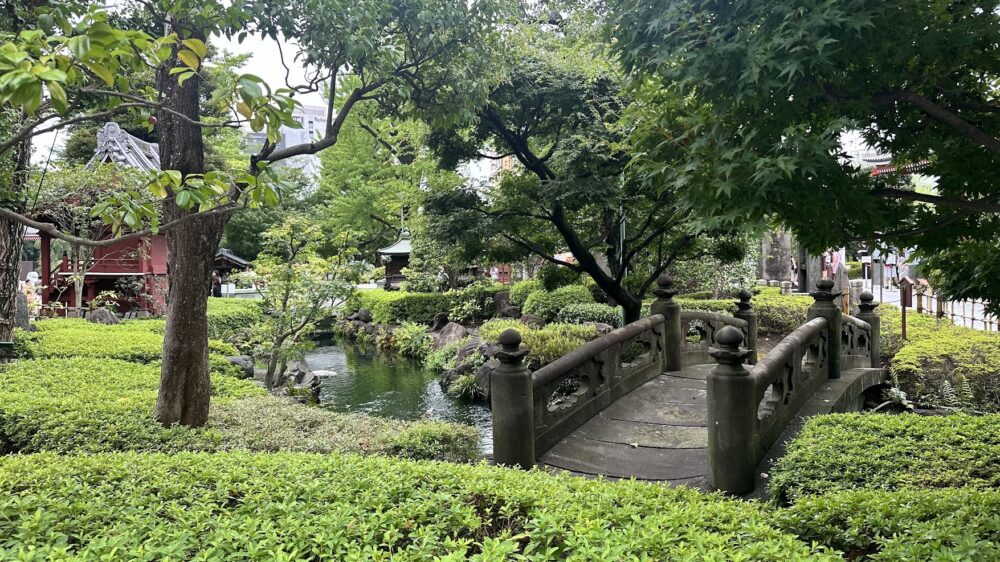
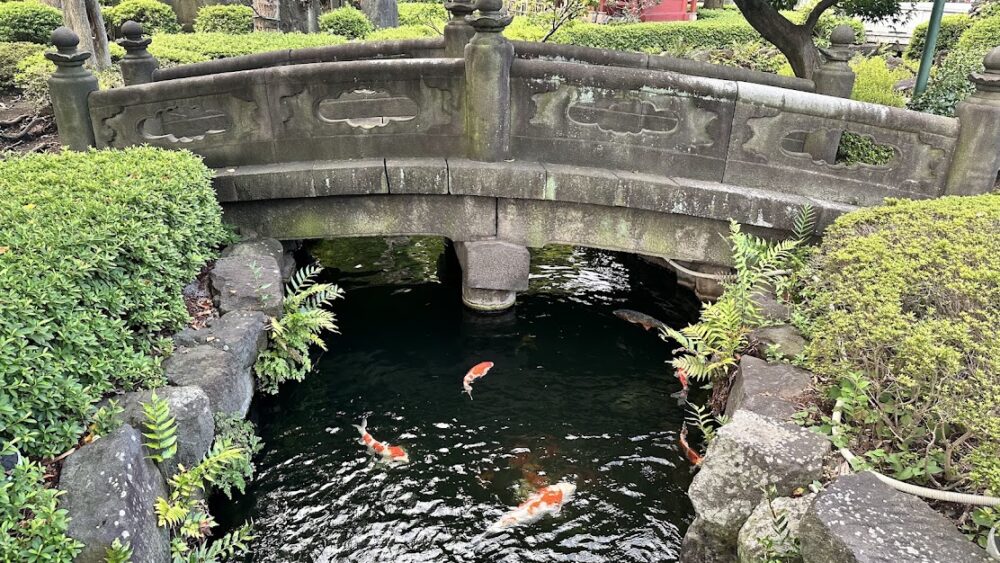
Visitors lining up for goshuin The Oldest Stone Bridge in Tokyo Although Yōgōdō is a relatively new building, completed in 1994 , the surrounding area is filled with greenery, a pond where colorful koi swim, and Tokyo’s oldest stone bridge
It is a calming spot where you can feel the history and quiet charm of Sensō‑ji.
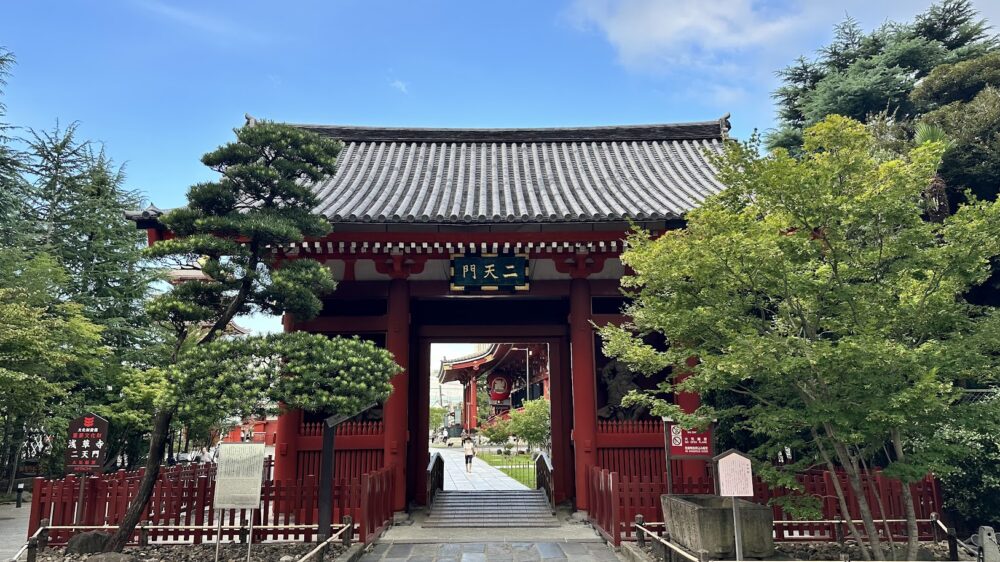
Nitenmon
Nitenmon (With the Main Hall Visible Behind It)
Nitenmon Important Cultural Property.
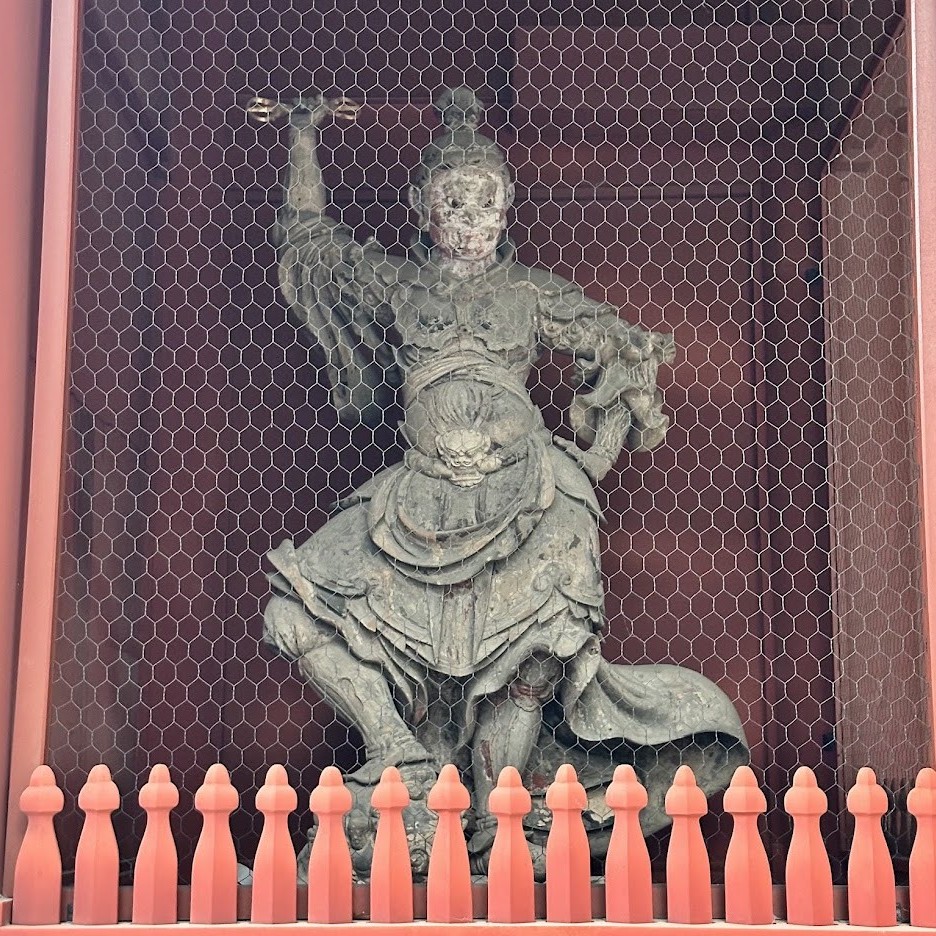
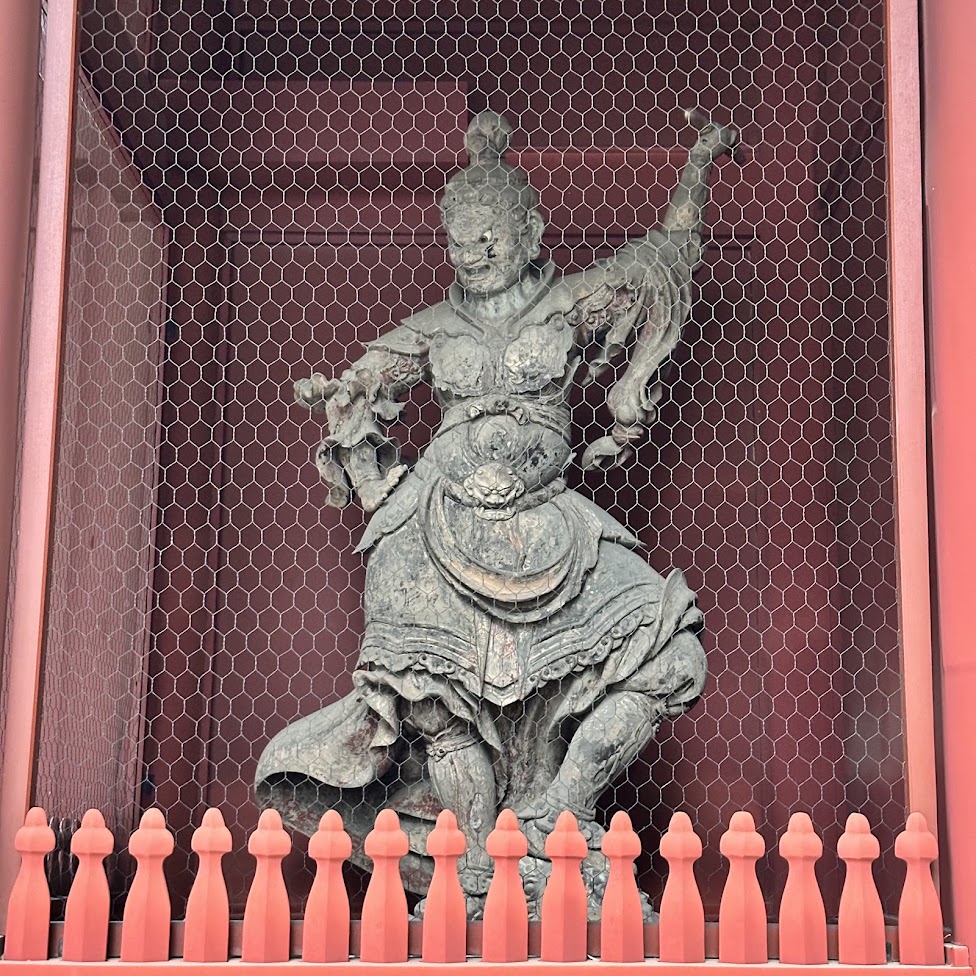
Of the Four Heavenly Kings who guard the cardinal directions in Buddhism, Zōjōten (left) and Jikokuten (right)
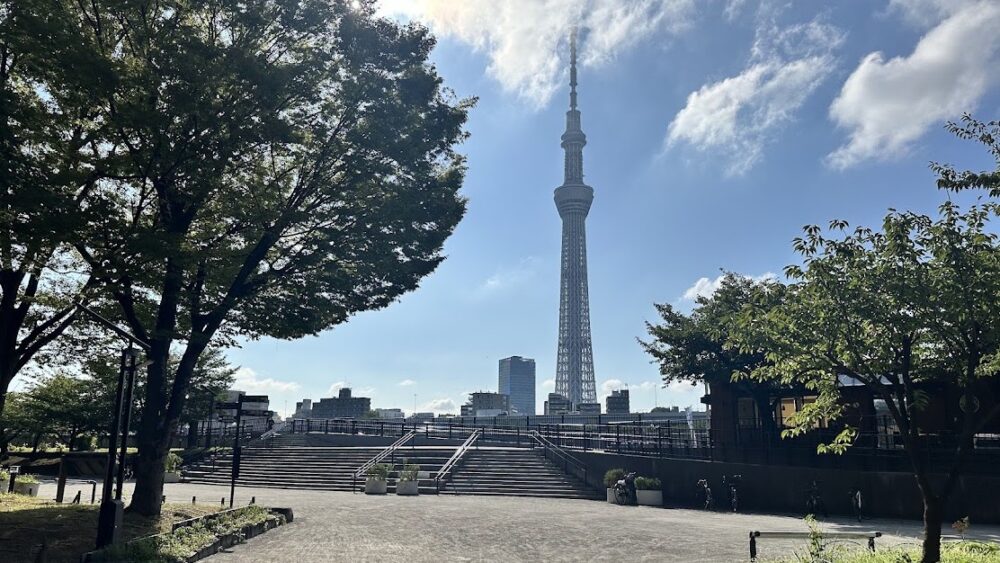
Passing through Nitenmon and continuing straight ahead, you will soon see Tokyo Skytree 1.5 km 20‑minute walk .
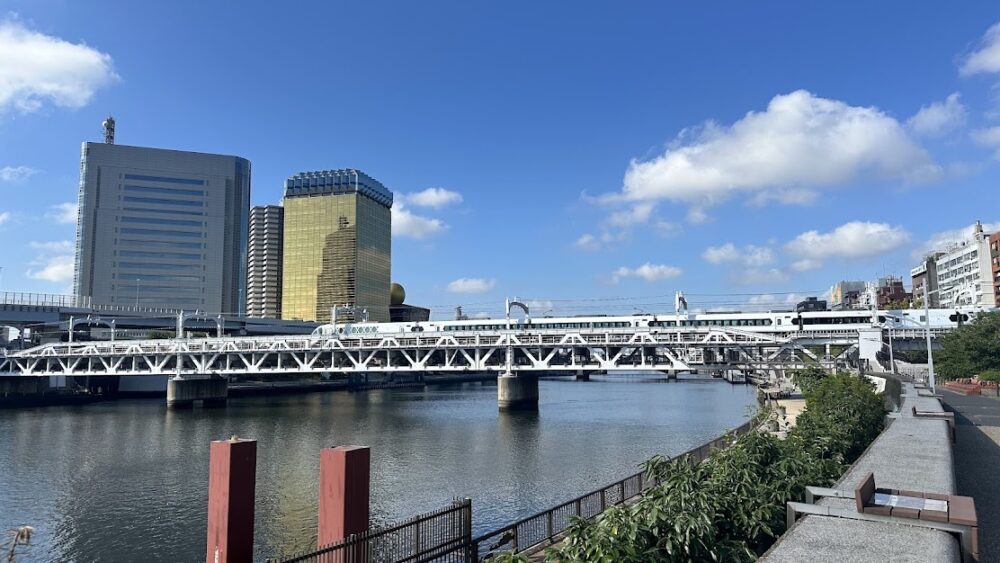
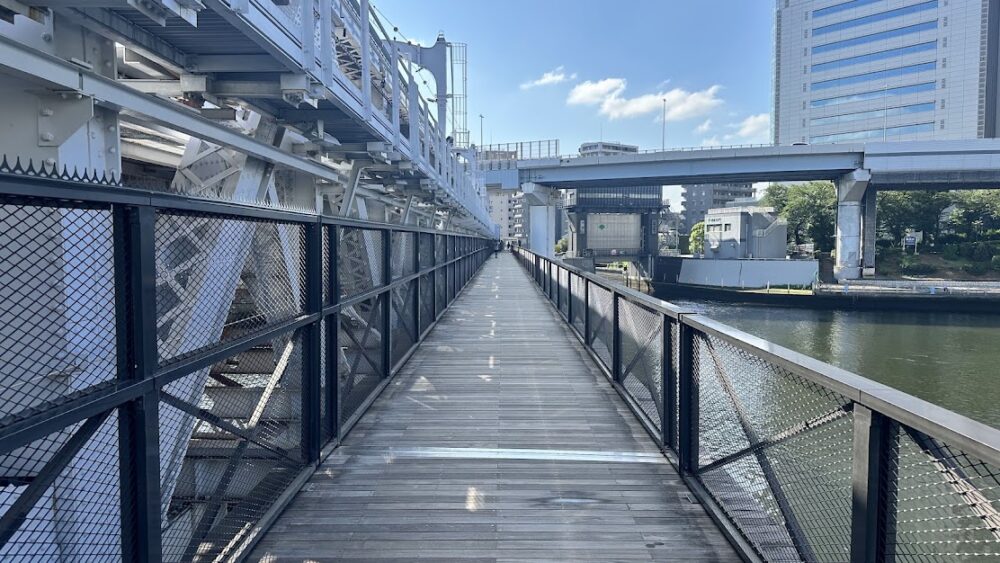
If you walk straight from Nitenmon, you will come to the Sumida River , with Tokyo Skytree rising beyond it. Sumida River Walk — The Pedestrian Path Beneath the Railway Tracks Sumida River Walk Sumida River Walk Tokyo Skytree
Related Articles About Tokyo Skytree Town.
あわせて読みたい
Panoramic Views of Tokyo! A Complete Guide to Exploring Tokyo Skytree Town
Tokyo Skytree Town is a large complex centered around Tokyo Skytree and Tokyo Solamachi. Standing at 634 meters, Tokyo Skytree is the tallest freestanding br…
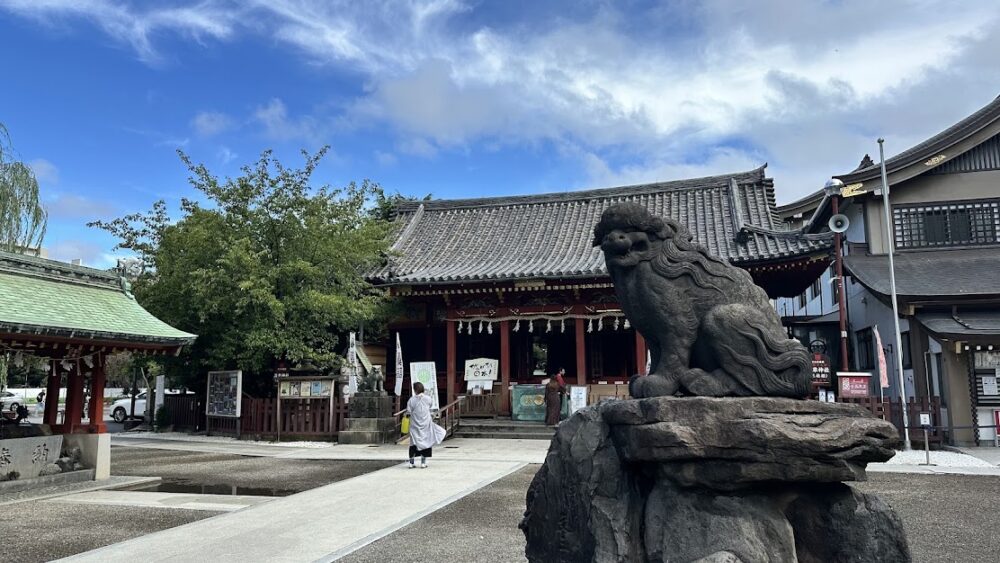
Don’t Forget to Visit Asakusa Shrine!
When you come to Asakusa, be sure to stop by Asakusa Shrine “Sanja‑sama” The famous Sanja Matsuri , held every May, is Asakusa Shrine’s annual festival.
Asakusa Shrine is deeply connected to Sensō‑ji. The shrine enshrines the three men involved in the founding of Sensō‑ji—Hamanari Hinokuma , Takenari Hinokuma , Hajino Nakatomo Sanja‑sama , “the shrine of three deities.”
According to legend, the local fishermen brothers Hamanari and Takenari Hinokuma
Puzzled, they consulted Hajino Nakatomo Sacred Kannon Bodhisattva —this is said to be the origin of Sensō‑ji.
After Nakatomo passed away, Kannon Bodhisattva appeared in a dream to Nakatomo’s son, instructing him to enshrine Nakatomo, Hamanari, and Takenari as deities. Following this divine message, the three were enshrined—marking the beginning of Asakusa Shrine
Main Hall
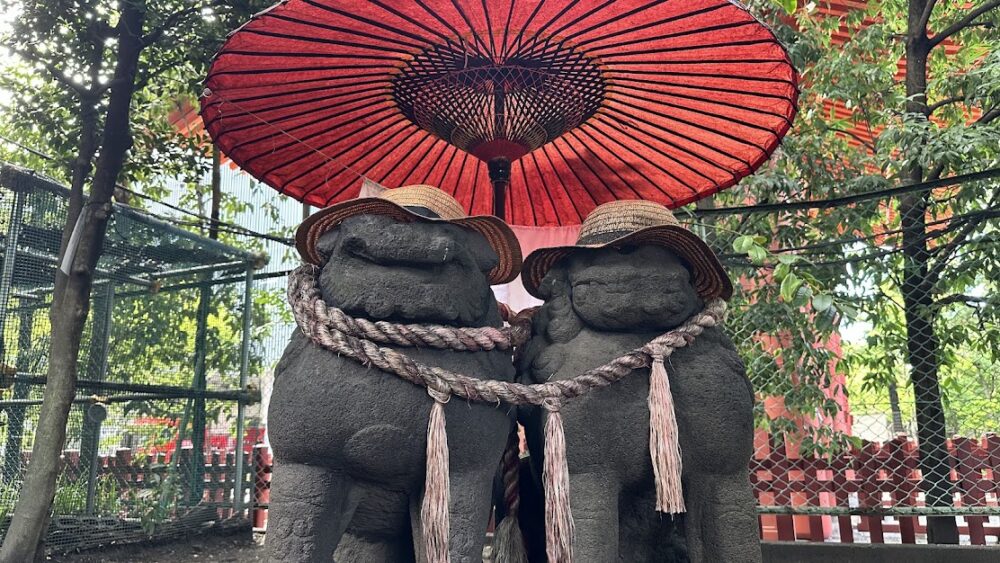
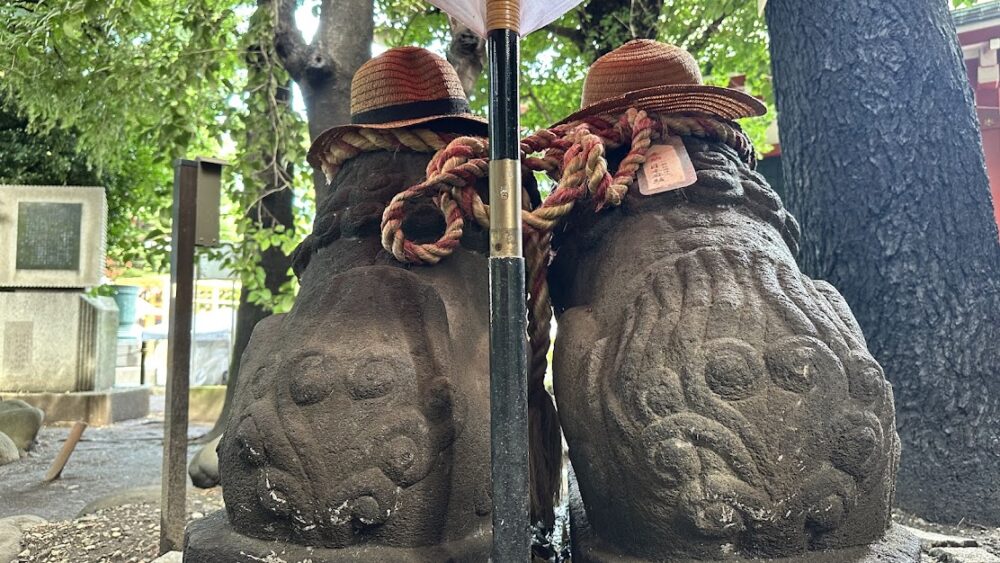
“Married” guardian dogs
Just to the right after passing through the torii, you’ll find the pair of affectionate “married” guardian dogs
Look closely and you’ll notice that their tails form a heart shape marital harmony and successful romance
Edo Town Stroll — Enjoy Local Asakusa Flavors
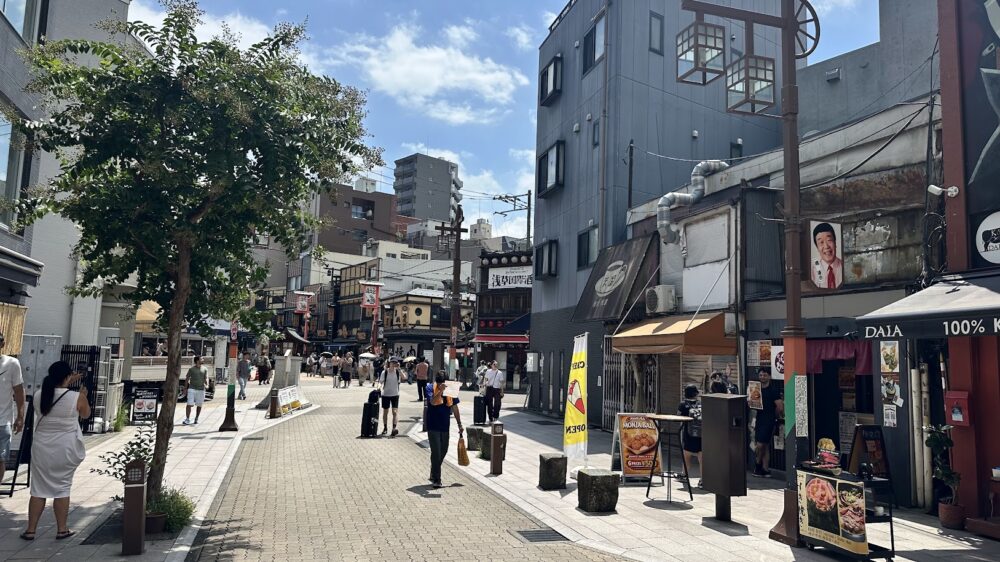
After visiting Sensō‑ji and Asakusa Shrine, take a walk through the streets that still retain the nostalgic atmosphere of old Edo.
Denpōin Street
Denpōin Street Connecting Nakamise Street with Asakusa Rokku, Denpōin Street
In 2005, the street was redesigned to recreate the look of Edo‑period townscapes
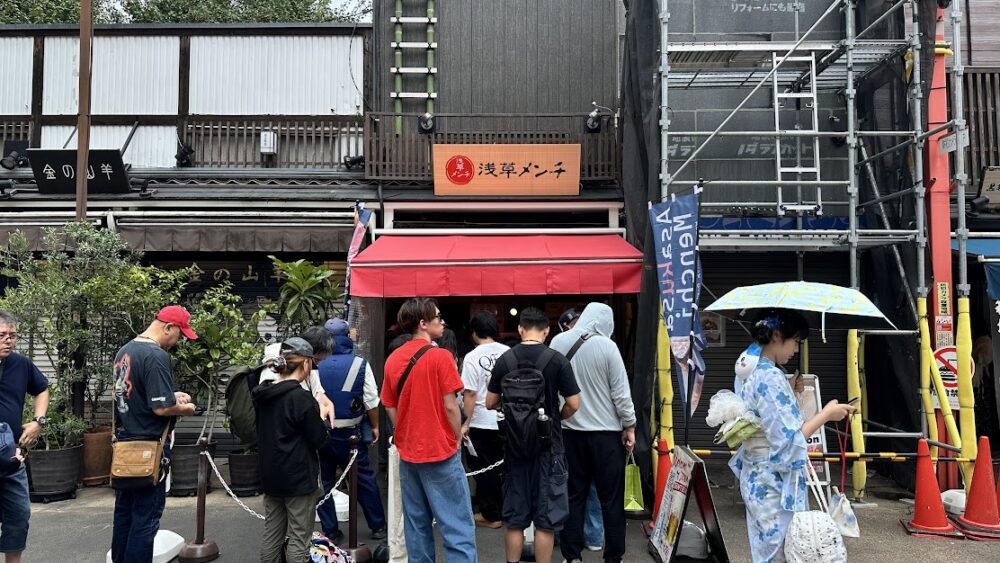
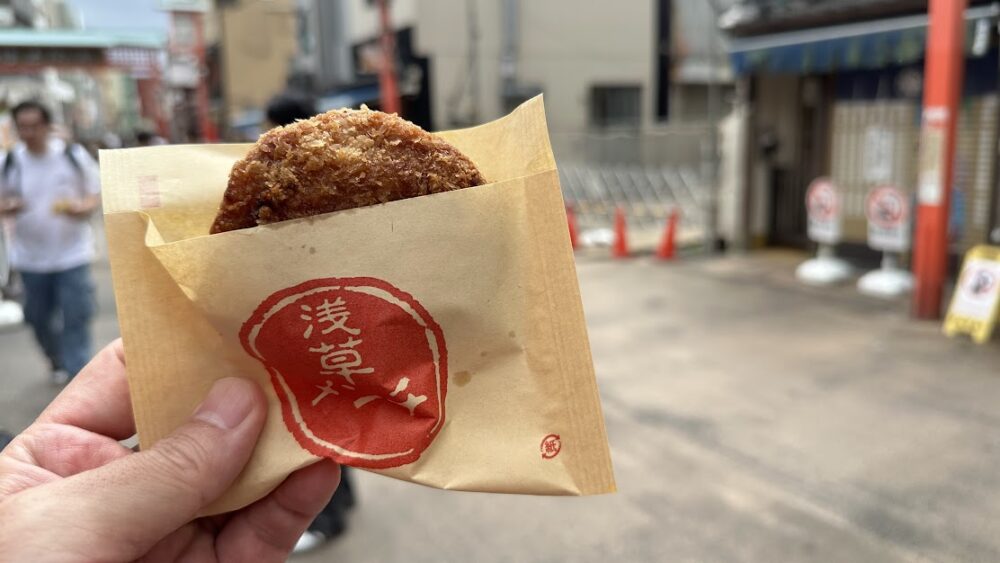
Asakusa Menchi — A Beloved Local Favorite Piping‑hot menchi‑katsu, enjoyed in the designated eating area (street eating is not allowed). Asakusa Menchi
Name Asakusa Menchi Address 2-3-3 Asakusa, Taito-ku, Tokyo Open hours 9:00 AM ~7:00 PM Notes There is an eat‑in space near the shop (street eating is not allowed).
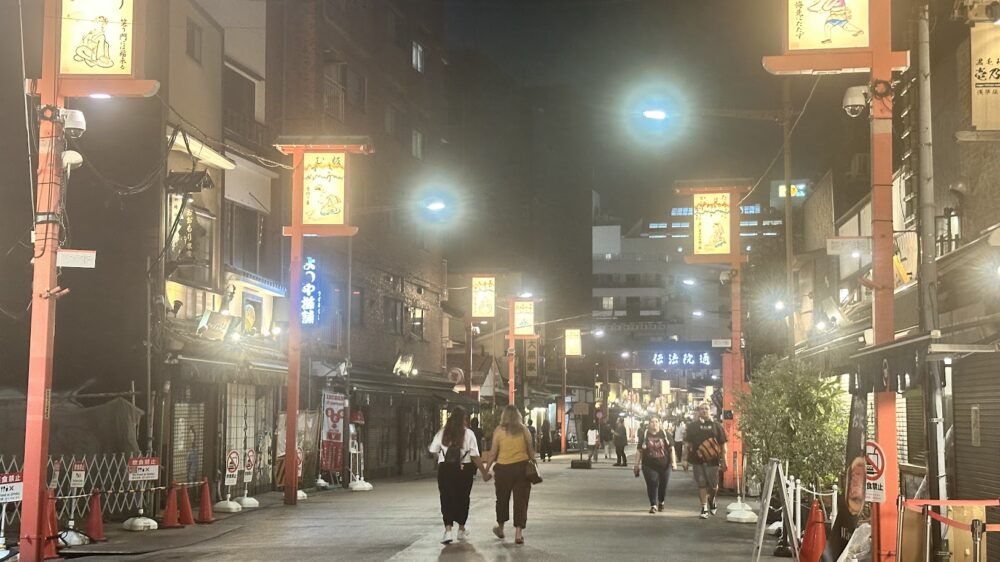
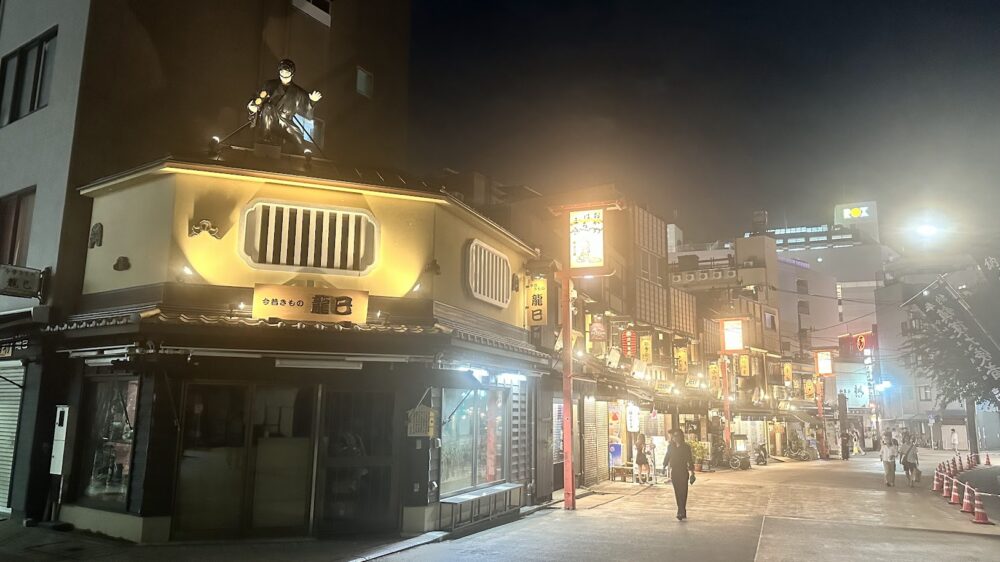
At night, Denpōin Street takes on a completely different charm as the street lanterns light up the area.
The lanterns feature “jiguchi” jiguchi andon
When the jiguchi andon are illuminated, the entire street is beautifully lit. On the rooftops, you can even spot Nezumi Kozō distributing stolen money to the poor.
Nishi‑Sando
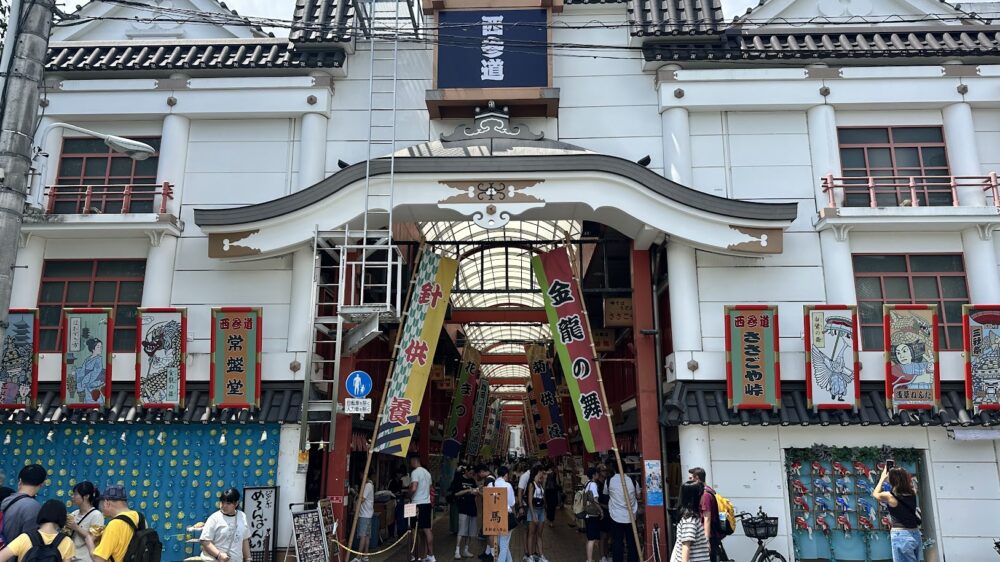
East Entrance of Nishi‑Sando As you walk west (to the left) from the main hall of Sensō‑ji, you will see a building that resembles a kabuki theater — this is Nishi‑Sando “festival shopping street.”
Another unique feature is the wooden walkway . Normally, wooden pavements are not permitted on public roads, but Nishi‑Sando is built on private land belonging to Sensō‑ji , which allows this traditional style to be used.
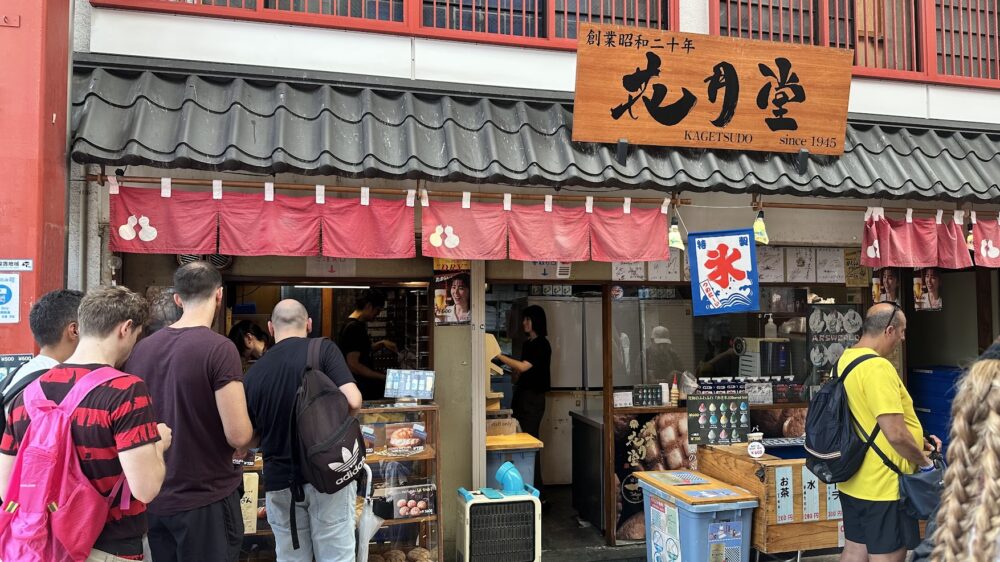
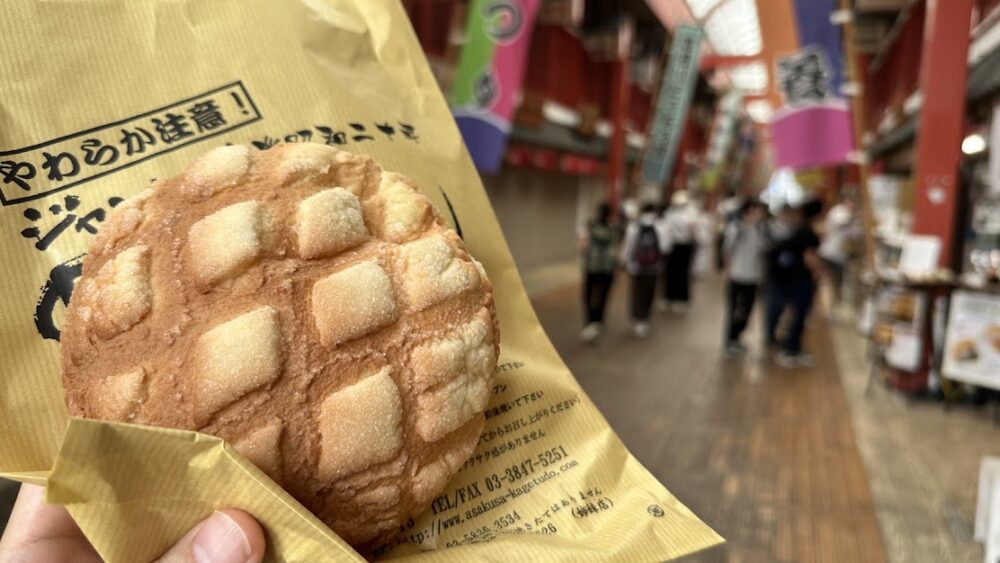
Kagetsudo Jumbo Melon‑Pan — 320 yen When it comes to popular treats on Nishi‑Sando, Kagetsudo’s Jumbo Melon‑Pan
The secret behind its fluffy and crispy texture 40 to 60 minutes , Kagetsudo ferments its dough for three hours three times longer
They also offer versions filled with vanilla or matcha ice cream , making them a perfect treat on hot days.
Asakusa Kagetudo
Name Asakusa Kagetudo Address 2-7-13 Asakusa, Taito-ku, Tokyo Open Hours Weekdays: Open from 11:00 a.m. and closes when the Jumbo Melon‑Pan is sold out. Closed days None
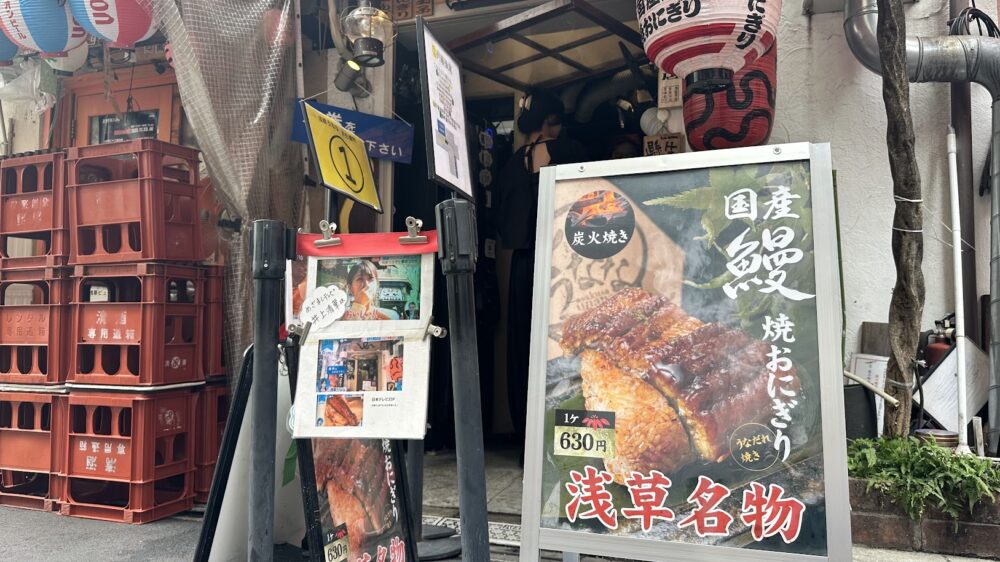
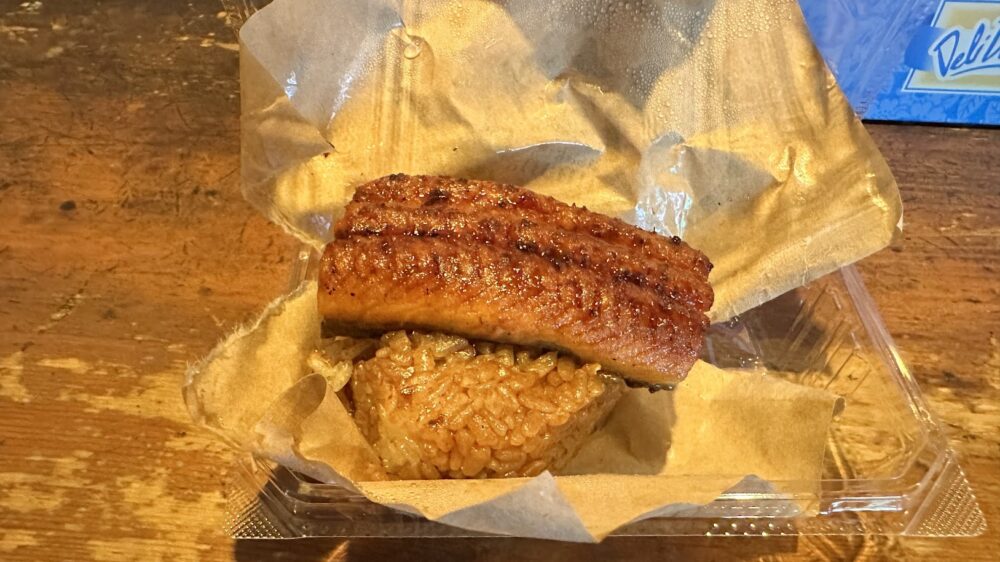
On the north side of Nishi‑Sando, in the Hatsune Kōji shopping alley Asakusa Unana’s grilled rice ball ,
There is a dedicated eat‑in space
Grilled rice ball — ¥630 Asakusa Unana
Name Asakusa Unana Adress 2-7-21 Asakusa, Taito-ku, Tokyo Opening Hours Weekdays: 9:00–17:30 Weekends & Holidays: 9:00–18:30 Closed days None
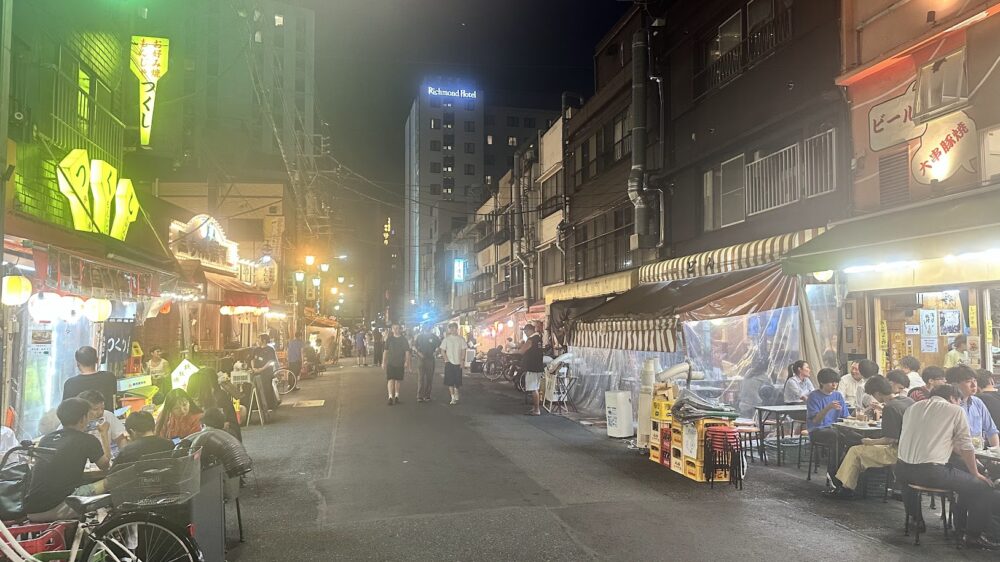
Hoppy Street
Hoppy Street Connected to Denpōin Street, Hoppy Street
Many izakaya open early in the day, making it a great place to stop for lunch or to take a break when you’re tired from walking.
With its nostalgic, old‑Tokyo atmosphere
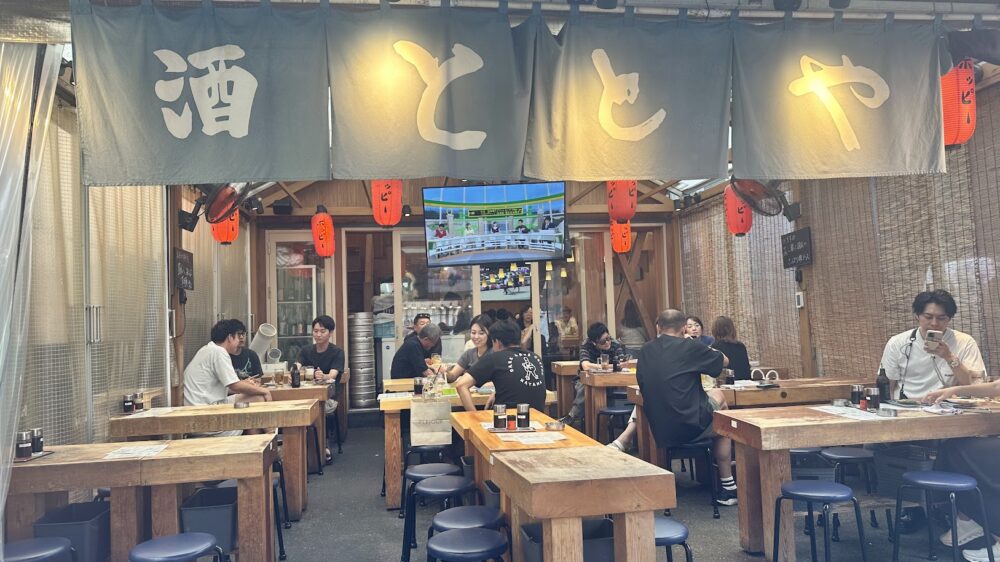
Totoya The recommended place is Totoya.
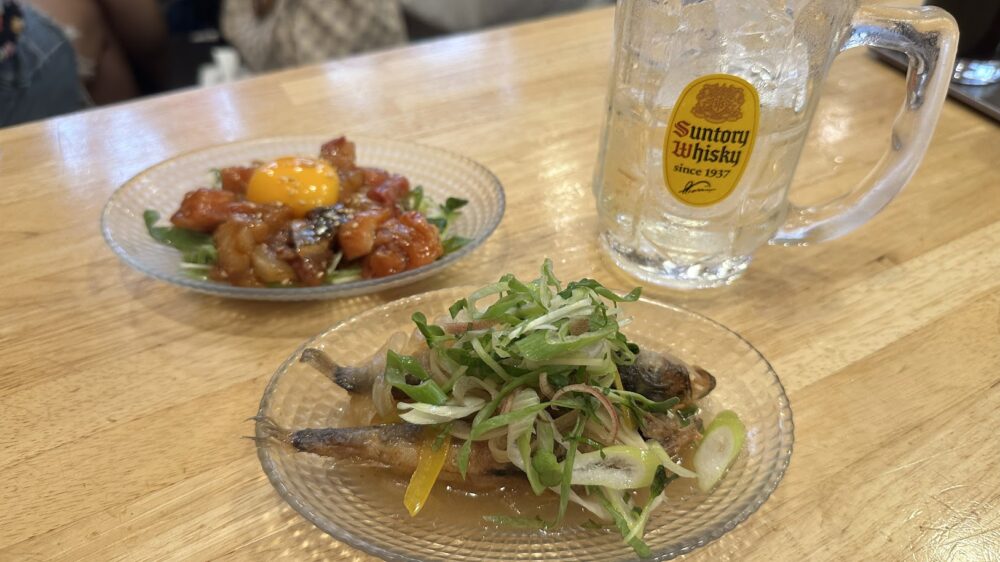
Among the many eateries along Hoppy Street—also known as *Nikomi Street Totoya stands out for its unique fish dishes.*Nikomi
The shop is directly operated by a seafood wholesaler from Toyosu Market with a history of 150 years, which means the fish menu is exceptionally rich and delicious.
Alcohol options include Hoppy, beer, sake, and shōchū, and they also offer soft drinks, making it a comfortable choice even for families with children.
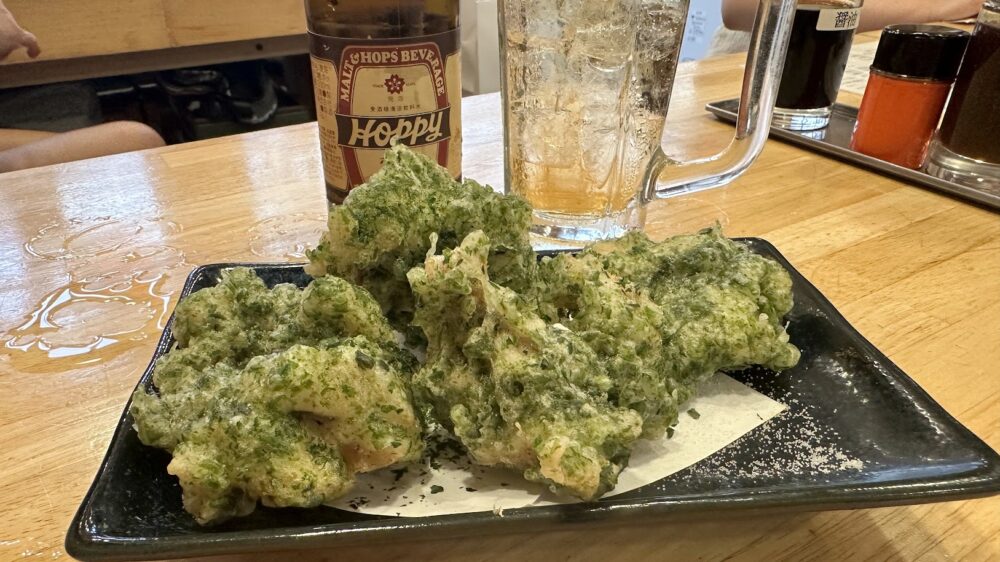
Highball (¥600), Mehikari Nanbanzuke (¥858), Fish Yukhoe (¥968) Hoppy Set (Red) (¥660), Chicken Tempura (¥968) Totoya
Name Totoya Address 2-4-13 Asakusa, Taito-ku, Tokyo Open Hours Regular days: 10:00–23:00 Closed days None
Before You Go
Asakusa is a town that has grown around Sensō‑ji countless places to explore. The lively bustle of Nakamise, the scent of incense drifting through the main hall, and the nostalgic charm of its old shopping streets
Walking through “old yet ever‑new Asakusa,”
Beyond the spots introduced here, you’re sure to encounter scenes and moments that stay with you. Take your time to soak in the atmosphere of this unique town, and create your own memorable Asakusa experience.



Comments